 Mineral Matrix: An AI Journey into Earth’s Treasures
How Gemstone Cuts Enhance Beauty and Value
Discover how different gemstone cuts maximize sparkle, color, and worth.
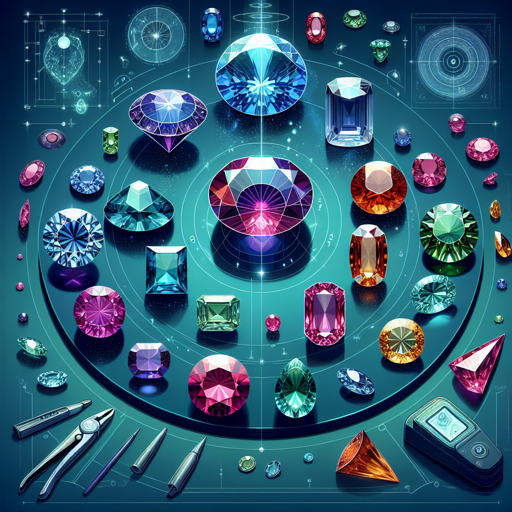
Introduction
Gems have fascinated humanity for millennia, captivating us with their kaleidoscope of colors, radiant brilliance, and mystique. But did you know that much of a gemstone’s allure comes not just from the mineral itself, but from the way it is cut? The art and science of gemstone cutting—known as lapidary—transforms rough stones into sparkling marvels that adorn jewelry, collections, and museums around the world.
Whether you’re a geology enthusiast, an educator looking to inspire students, or simply curious about what makes gems so enchanting, understanding gemstone cuts is key. In this article, we’ll journey through the fascinating world of gemstone cuts: how they’re crafted, their impact on visual appeal and value, and why they matter to both collectors and the jewelry industry.
“The beauty that we see in a gemstone is not only nature’s work but also the result of human skill and vision.” — Anonymous Lapidary Artist
The Science and Art of Gemstone Cutting
What is a Gemstone Cut?
A gemstone cut refers to the way a mineral specimen is shaped and faceted to reveal its best optical properties. The process involves carefully removing material to enhance the gem’s natural features—such as color, clarity, and brilliance—while minimizing flaws or inclusions.
Key Objectives of Cutting a Gemstone
- Maximize Brilliance: Enhance the stone’s ability to reflect light.
- Showcase Color: Bring out the richest hues possible.
- Retain Weight: Preserve as much of the original stone as possible.
- Improve Clarity: Minimize visible flaws through strategic faceting.
- Create Symmetry: Achieve visual harmony and balance.
The Lapidary Process
Cutting gemstones is far more than slicing a stone; it requires knowledge of mineral hardness (Mohs scale), cleavage planes, refractive index, and more. Lapidaries use specialized tools—diamond saws, grinding wheels, and polishing laps—to shape, facet, and finish each gem.
Factors Influencing Cutting Decisions
- Type of Mineral: Different minerals have varying hardness and cleavage.
- Natural Shape: The original shape of the rough stone guides the final cut.
- Intended Use: Jewelry or specimen display may require different approaches.
- Market Demand: Some cuts are more popular or valuable in certain eras.
Types of Gemstone Cuts: An Overview
Gemstone cuts can be broadly categorized into faceted, cabochon, and specialty cuts. Each serves a distinct purpose and highlights different aspects of a gem’s beauty.
| Cut Type | Typical Stones | Key Features | Impact on Value |
|---|---|---|---|
| Brilliant | Diamond, Sapphire | Maximizes sparkle (brilliance) | High |
| Step | Emerald, Aquamarine | Emphasizes clarity and color | Moderate to High |
| Cabochon | Opal, Moonstone | Smooth dome, no facets | Moderate |
| Rose | Garnet, Quartz | Flat base with triangular facets | Niche |
| Fancy | Any (Heart, Marquise etc.) | Unique shapes for individuality | Varies |
| Mixed | Ruby, Tourmaline | Combines brilliant and step facets | High |
1. Brilliant Cut
Perhaps the most famous of all, the brilliant cut is designed to maximize light return. Its classic round shape with 57 or 58 facets is engineered to create unrivaled sparkle. Initially perfected for diamonds, it’s now used on numerous transparent gemstones.
Why it matters: The brilliant cut’s precise angles allow light entering the stone to reflect internally before exiting through the top—creating the dazzling effect we associate with fine gems.
2. Step Cut
The step cut, characterized by parallel facets arranged like steps or terraces (think emerald cut), is favored for colored stones like emeralds and aquamarines. It emphasizes color and clarity over sparkle.
Why it matters: Step cuts highlight a stone’s natural hue and can mask minor inclusions while preserving carat weight.
3. Cabochon Cut
Cabochon gemstones are polished into smooth domes without facets. This style is ideal for opaque or translucent stones such as opal, moonstone, turquoise, and jade.
Why it matters: Cabochon cuts reveal unique visual effects such as asterism (stars) or chatoyancy (cat’s eye).
4. Rose Cut
Dating back to the Renaissance, the rose cut features a flat base with a domed top covered in triangular facets. While less brilliant than modern faceted cuts, rose-cut stones have an antique charm prized by collectors.
Why it matters: Rose cuts are making a comeback in vintage-inspired jewelry.
5. Fancy and Mixed Cuts
From hearts to pears, marquises to cushions, fancy cuts bring individuality to gemstones. Mixed cuts combine elements of brilliant and step faceting for balance between sparkle and color.
Why it matters: These cuts allow lapidaries to adapt to the unique shape or flaws of each rough stone while maximizing beauty.
How Gemstone Cuts Impact Beauty
The cut of a gemstone directly affects how it interacts with light—a phenomenon known as optics. Here’s how different aspects of cutting enhance beauty:
Brilliance
Brilliance refers to the total amount of white light returned through the top of a gemstone. Cuts like round brilliant are optimized for maximum brilliance through precise angles.
Fire
Fire describes the flashes of color produced when white light disperses into spectral colors inside the stone. Well-cut gems with high dispersion (like diamond) show more fire.
Scintillation
Scintillation is the pattern of light and dark areas you see when a gemstone moves. A well-cut stone will “dance” in the light thanks to its symmetrical facets.
Color Enhancement
Certain cuts can intensify or deepen a gem’s color by allowing more light to pass through specific areas or by concentrating color zones within the stone.
Masking Inclusions
Strategic cutting can minimize the appearance of natural flaws by placing them under less visible facets or near girdles (the widest part of the gem).
Gemstone Cuts and Their Impact on Value
A gemstone’s value is determined by the famous “Four Cs”—Cut, Color, Clarity, and Carat weight. Among these, cut is often considered the most controllable factor after mining.
How Cut Impacts Value
- Well-cut stones command higher prices due to superior brilliance and symmetry.
- Poorly cut stones may appear dull even if they’re large or have good color.
- Weight retention during cutting must be balanced against optical performance; overemphasis on carat size can lead to lifeless gems.
- Cutting style popularity fluctuates with trends—some vintage cuts may become highly sought after.
Table: Impact of Common Cuts on Value
| Cut Type | Value Impact | Typical Usage | Market Demand |
|---|---|---|---|
| Brilliant | Highest | Diamonds/Colored | Extremely High |
| Step | High (if clarity good) | Emerald/Aquamarine | High (classic jewelry) |
| Cabochon | Moderate | Opal/Jade | Steady (niche markets) |
| Fancy | Variable | Various | Trend-dependent |
| Mixed | High | Ruby/Tourmaline | Increasing |
Choosing the Right Cut: Practical Considerations
For lapidaries and collectors alike, selecting the right cut involves both science and art:
- Assess rough stone quality: Is the material clear or included? What is its natural shape?
- Purpose: Is it for high-end jewelry, educational specimens, or display?
- Popularity: Are certain cuts currently in vogue?
- Value retention: Will cutting increase or decrease resale value?
Famous Cuts: Stories Behind Legendary Gems
Some gemstones are so iconic that their cut becomes legendary:
- The Hope Diamond—A rare blue diamond with a cushion antique brilliant cut.
- The Cullinan Diamond—Yielded nine major stones (including the Great Star of Africa) from one rough specimen.
- The Black Prince’s Ruby—A large spinel set as a cabochon in England’s Imperial State Crown.
These examples highlight how a masterful cut can elevate even rare material into world-famous treasures.
Table: Popular Gemstone Cuts at a Glance
| Cut Name | Shape | Best For | Notable Example |
|---|---|---|---|
| Round Brilliant | Circle | Diamonds/Sapphires | Tiffany setting ring |
| Emerald | Rectangle w/steps | Emeralds/Aquamarine | Elizabeth Taylor’s Emerald |
| Oval | Ellipse | Many colored gems | Princess Diana’s sapphire ring |
| Cushion | Square w/rounded edges | Rubies/Sapphires | Hope Diamond |
| Marquise | Football-like | Diamonds | Marquise de Pompadour diamond |
| Pear | Teardrop | Pendants/Earrings | Taylor-Burton Diamond |
| Heart | Heart | Romantic jewelry | Blue Heart Diamond |
External Reference
For those seeking an authoritative guide on gemstone cutting standards and their impact on value, consult The Gemological Institute of America (GIA), which provides detailed resources for gem enthusiasts and professionals alike.
Conclusion
The next time you admire a sparkling ring or a glowing cabochon in a museum case, remember: behind its beauty lies not just nature’s handiwork but human ingenuity. The right cut can elevate even humble minerals into works of art—maximizing their fire, color, and value. As trends evolve and technology advances, lapidaries continue to push boundaries in pursuit of perfection.
Understanding gemstone cuts enriches your appreciation for earth’s treasures—whether you’re an educator inspiring future geologists, a collector searching for your next prize specimen, or simply someone who loves the interplay of science and art in our natural world.
Explore more about minerals, mining, gemstones, and geology at Galena.es—where curiosity meets discovery!