 Mineral Matrix: An AI Journey into Earth’s Treasures
Famous Mines Worth Visiting Worldwide
Discover historic mines open to visitors for a unique geological experience.
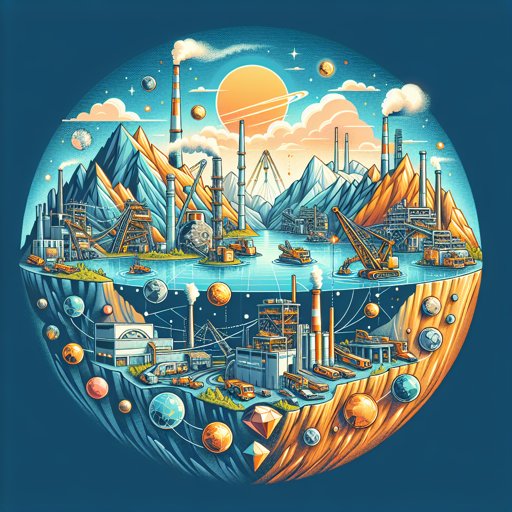
Famous Mines Worth Visiting Worldwide
Introduction
Deep beneath the surface of our planet lies a world shaped by millennia of geological forces—a world that has long captivated humankind. From the earliest days of pickaxes and candle-lit tunnels to the industrial grandeur of modern mining, these subterranean landscapes have not only fueled economies but also inspired awe and curiosity. Today, many historic mines have opened their doors to the public, offering geology enthusiasts, educators, students, and travelers a rare chance to step back in time and witness the raw beauty and rich history of mining firsthand.
Whether you’re fascinated by glittering gemstones, intrigued by ingenious engineering, or simply eager to touch the rocks that built civilizations, visiting a famous mine can be an unforgettable journey into Earth’s hidden wonders. In this article, we’ll explore some of the most remarkable mines around the globe that welcome visitors—each with its own unique story and geological treasures.
Why Visit Historic Mines?
Mines are more than just sites of extraction; they are living museums that chronicle technological progress, economic booms and busts, and the relentless drive to uncover Earth’s secrets. Here’s why these destinations are worth your exploration:
- Educational Value: Understand mineral formation, mining techniques, and geology in an immersive environment.
- Cultural Significance: Discover how mining shaped communities and history.
- Adventure: Experience underground tunnels, mineral specimens, and sometimes even try your hand at panning or collecting.
- Conservation Awareness: Learn about environmental impacts and modern reclamation efforts.
“The more you know about the past, the better prepared you are for the future.”
— Theodore Roosevelt
Notable Mines Open to Visitors
Let’s journey through continents to uncover some of the world’s most renowned mines now open for public exploration.
1. Wieliczka Salt Mine — Poland
Location: Wieliczka, near Kraków
Type: Salt Mine
Operational Period: 13th century – 2007 (commercial)
Highlights:
- UNESCO World Heritage Site
- Underground chapels sculpted from salt
- Labyrinthine tunnels spanning over 287 kilometers
The Wieliczka Salt Mine is a marvel of human ingenuity and perseverance. Over centuries, miners carved intricate chambers, sculptures, and even entire chapels from solid salt. Today, guided tours lead visitors through illuminated passageways adorned with salt chandeliers and breathtaking carvings.
2. Turda Salt Mine — Romania
Location: Turda, Transylvania
Type: Salt Mine
Operational Period: Antiquity – early 20th century
Highlights:
- Underground amusement park
- Panoramic Ferris wheel inside the mine
- Salt lakes for boating
Renowned for its otherworldly atmosphere, Turda Salt Mine blends history with modern entertainment. As you descend into vast chambers lit by futuristic installations, you’ll discover attractions such as an underground Ferris wheel and mini-golf courses—all surrounded by walls of crystalline salt.
3. Kimberley Mine (“Big Hole”) — South Africa
Location: Kimberley
Type: Diamond Mine
Operational Period: 1871–1914
Highlights:
- Largest hand-dug excavation in the world
- Diamond Museum with priceless gems
- Historical reenactments
The Kimberley Mine stands as a testament to diamond fever’s transformative power. Visitors can gaze into the colossal pit and explore interactive exhibits detailing the diamond rush that shaped South African history.
4. Pikes Peak Gold Mine (Mollie Kathleen) — USA
Location: Cripple Creek, Colorado
Type: Gold Mine
Operational Period: 1891–1961 (commercial)
Highlights:
- 1,000-foot vertical shaft ride underground
- Working mining equipment demonstrations
- Gold ore samples
Descend deep into Colorado’s gold rush era aboard an original mine elevator and learn about hard rock mining techniques from experienced guides. The Mollie Kathleen Gold Mine offers a thrilling blend of history and hands-on experiences.
5. Falun Copper Mine — Sweden
Location: Falun
Type: Copper Mine
Operational Period: 10th century – 1992
Highlights:
- UNESCO World Heritage Site
- Guided underground tours
- Historic red mine buildings above ground
Once dubbed “the treasure chest of Sweden,” Falun Copper Mine powered Sweden’s economy for centuries. Today, it invites visitors to explore its vast caverns and discover the origins of Falu red paint—iconic on Swedish cottages.
6. Naica Mine — Mexico
Location: Chihuahua
Type: Lead, Zinc, Silver (famous for crystals)
Operational Period: 1794–present (restricted)
Highlights:
- Giant gypsum crystals (Cave of the Crystals)
While direct public access is extremely limited due to safety concerns and preservation efforts, Naica’s Cave of the Crystals remains legendary in mineralogy circles. Some guided surface tours are occasionally organized.
7. Khewra Salt Mine — Pakistan
Location: Punjab province
Type: Salt Mine
Operational Period: Since 320 BC
Highlights:
- Second largest salt mine in the world
- Salt mosque and sculptures
- Miniature replica of the Great Wall of China carved in salt
Khewra’s dazzling salt formations and creative carvings make it a cultural treasure in Pakistan. Guided tours delve into its history dating back to Alexander the Great.
8. Stari Grad Silver Mine — Serbia
Location: Stari Grad near Srebrenica
Type: Silver Mine
Operational Period: Roman era – Middle Ages
Highlights:
- Ancient mining tunnels
- Archaeological exhibits
This lesser-known but historically rich mine offers a glimpse into Roman-era mining technology and culture.
9. Soudan Underground Mine — USA
Location: Minnesota
Type: Iron Ore Mine
Operational Period: 1882–1962 (commercial)
Highlights:
- Deepest iron mine in Minnesota (2,341 feet)
- Underground physics laboratory tours
Now a state park, Soudan offers thrilling rides in mine cages and walks through colossal iron ore caverns while recounting Minnesota’s mining heritage.
10. Coober Pedy Opal Mines — Australia
Location: Coober Pedy, South Australia
Type: Opal Mines
Operational Period: Since 1915 (still active)
Highlights:
- “Opal capital of the world”
- Underground homes (“dugouts”) tours
- Opal prospecting experiences
Coober Pedy is famed for its opal riches and unique underground lifestyle. Visitors can try opal noodling—searching for leftover gems—and explore subterranean museums and churches.
Comparing Famous Visitor Mines
To help plan your next geological adventure, here’s a handy comparison table summarizing key features of these remarkable mines:
| Name | Country | Mineral Type | Unique Feature | Public Access |
|---|---|---|---|---|
| Wieliczka Salt Mine | Poland | Salt | Salt chapels & sculptures | Guided tours |
| Turda Salt Mine | Romania | Salt | Underground amusement park | Self/exploration |
| Kimberley Mine | South Africa | Diamond | Largest hand-dug pit | Museum & pit view |
| Mollie Kathleen | USA | Gold | Shaft descent & equipment demos | Guided tours |
| Falun Copper Mine | Sweden | Copper | UNESCO site & red paint history | Guided tours |
| Naica Mine | Mexico | Crystals | Giant gypsum crystals | Restricted |
| Khewra Salt Mine | Pakistan | Salt | Salt mosque & carvings | Guided tours |
| Stari Grad Silver | Serbia | Silver | Ancient Roman tunnels | Guided tours |
| Soudan Mine | USA | Iron Ore | Deep underground lab | Guided tours |
| Coober Pedy | Australia | Opal | Opal noodling & underground homes | Guided tours |
Planning Your Visit: Tips for Mining Tourism
If you’re considering a trip to one of these legendary mines, keep these tips in mind:
- Check Accessibility: Some mines require advanced booking or have age/health restrictions due to steep stairs or confined spaces.
- Dress Appropriately: Temperatures can drop significantly underground; sturdy shoes and warm clothing are recommended.
- Respect Regulations: Many sites have strict rules to protect both visitors and fragile environments.
- Learn Before You Go: Reading up on each mine’s history will enrich your visit.
- Join Guided Tours: Knowledgeable guides offer invaluable insights into geology and mining heritage.
- Photography Policies: Ask about photo restrictions—some areas prohibit photography to preserve delicate features or for security reasons.
- Support Local Communities: Many mining towns thrive on tourism; consider staying local, buying souvenirs, or dining nearby.
The Broader Impact: Mines as Educational Gateways
For educators and students alike, visiting a historic mine transforms textbook knowledge into multisensory understanding. Witnessing rock strata up close or handling mineral samples fosters curiosity about Earth’s processes—from ore genesis to modern environmental stewardship.
Many sites now incorporate interactive exhibits on:
- Plate tectonics
- Environmental reclamation
- Mining safety evolution
- Local folklore intertwined with geology
Such experiences can inspire future geologists or simply deepen appreciation for our planet’s dynamic interior.
A Lasting Legacy: Preservation and Sustainability
While exploring these mines is thrilling, it’s equally vital to understand ongoing challenges:
- Preservation vs. Tourism Pressure: Heavy foot traffic can damage fragile structures.
- Environmental Recovery: Many former mines are now models for ecological restoration.
- Cultural Heritage Protection: Sites often hold significance beyond mere geology—honoring laborers’ stories and indigenous histories.
Modern mining tourism strives for a balance between access and conservation—ensuring these underground wonders endure for generations.
Further Reading
For more information on mine tourism and geology-focused travel worldwide, visit the International Council on Mining & Metals.
Conclusion
From Poland’s salt cathedrals to Australia’s opal underworlds, famous visitor mines offer more than dazzling minerals—they are portals into our planet’s past and humanity’s resourceful spirit. Whether you’re a geology enthusiast seeking scientific thrills or a casual traveler drawn by adventure, these mines invite you to dig deeper—literally and figuratively—into Earth’s remarkable story.
So next time you plan your travels or seek classroom inspiration, consider venturing underground. The treasures you find may be geological marvels—or simply new perspectives on our shared heritage beneath the surface.
Ready for your own underground adventure? Share your favorite mine experiences or dream destinations in the comments below!