 Mineral Matrix: An AI Journey into Earth’s Treasures
A Guide to Collecting Minerals for Beginners
Essential tips and insights for starting and growing your own mineral collection.
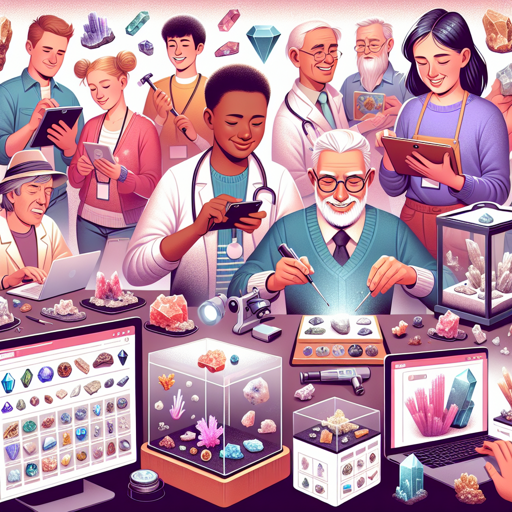
A Guide to Collecting Minerals: Essential Tips for Building Your Own Collection
Introduction
Minerals are the building blocks of our planet, dazzling us with their vibrant colors, intricate structures, and fascinating histories. For centuries, mineral collecting has captivated the curiosity of explorers, amateur geologists, students, and those simply enchanted by Earth’s natural artistry. Whether you’re a geology enthusiast, an educator seeking hands-on teaching materials, or someone looking for a new hobby, collecting minerals is a journey of discovery—one that bridges science, history, and aesthetics.
In this comprehensive guide, we’ll explore the essentials of starting and expanding your mineral collection. We’ll cover how to find specimens, identify minerals, care for your collection, and connect with the vibrant community of collectors worldwide. Ready to embark on your own geological adventure? Let’s get started!
Why Collect Minerals? The Magic Beneath Our Feet
Mineral collecting is much more than gathering shiny rocks. Here’s what draws people to this rewarding hobby:
- Scientific Curiosity: Understanding Earth’s processes through hands-on specimens.
- Aesthetic Appreciation: Minerals are natural works of art—no two are exactly alike.
- Educational Value: Perfect for classrooms, home learning, and outreach.
- Community: Connect with like-minded enthusiasts through clubs and shows.
- Investment Potential: Some rare minerals and gemstones can appreciate in value.
“In every walk with nature, one receives far more than he seeks.”
— John Muir
Getting Started: Tools and Resources You’ll Need
Before you head into the field or browse online stores, it’s helpful to gather some basic tools and resources:
| Tool/Resource | Purpose | Recommended For |
|---|---|---|
| Geology Hammer | Extracting specimens from rock outcrops | Field Collectors |
| Hand Lens (10x) | Inspecting crystal forms and mineral details | All Collectors |
| Field Guide Book | Identifying minerals by color, luster, hardness | Beginners & Pros |
| Sample Bags | Safely storing collected samples | Field Collectors |
| Labels & Notebook | Recording details (location, date, ID) | All Collectors |
| Gloves/Goggles | Safety while collecting in the field | Field Collectors |
| Display Trays | Organizing and showcasing your collection | Home Collectors |
Pro Tip:
A small digital scale and a streak plate (unglazed porcelain) can be very helpful for advanced identification.
Where to Find Mineral Specimens
1. In Nature: The Classic Approach
- Quarries & Mines: With permission, these are excellent sources of diverse minerals.
- Road Cuts & Outcrops: Exposed rock faces can reveal hidden treasures.
- Rivers & Streams: Erosion uncovers mineral-rich gravels.
- Public Lands: Some national forests or parks allow rockhounding—always check regulations.
Safety First: Always collect responsibly. Obtain permissions, respect private property, wear protective gear, and follow local laws.
2. Mineral Shows and Clubs
Local mineral shows are treasure troves for both learning and acquiring specimens. Clubs offer field trips, mentoring, and a sense of community.
- Benefits: Access to reputable dealers, expert advice, and networking opportunities.
3. Online Marketplaces
Reputable online stores offer global access to rare minerals. Look for sellers with clear provenance information and high-resolution images.
Identifying Your Minerals
Correct identification is both a science and an art. Here’s a basic checklist:
- Color: Often the first clue, but can be misleading due to impurities.
- Crystal Form: Observe the shape—cubic, hexagonal, tabular?
- Hardness: Use Mohs Hardness Scale (e.g., can it scratch glass?).
- Luster: Is it shiny like metal (metallic) or glassy (vitreous)?
- Streak: The color of its powder on a streak plate.
- Cleavage & Fracture: How does it break?
- Density (Specific Gravity): Heaviness relative to size.
| Mineral | Color | Hardness | Luster | Streak | Notable Features |
|---|---|---|---|---|---|
| Quartz | Colorless/Varied | 7 | Vitreous | White | No cleavage |
| Pyrite | Brass-yellow | 6–6.5 | Metallic | Green-black | “Fool’s gold” |
| Calcite | White/Colorless | 3 | Vitreous | White | Effervesces in acid |
| Galena | Silver-gray | 2.5 | Metallic | Lead-gray | Dense, cubic form |
| Fluorite | Green/Purple | 4 | Vitreous | White | Octahedral crystals |
For more advanced identification techniques—including X-ray diffraction and spectroscopy—consult university geology departments or museums.
Building and Organizing Your Collection
Choosing What to Collect
There’s no “right way” to collect minerals! Here are some common approaches:
- Species Collection: One specimen per mineral type.
- Locality Collection: Minerals from specific geographic areas.
- Systematic Collection: Specimens organized by chemical groups (e.g., silicates, carbonates).
- Aesthetic Collection: Focused on beauty—colorful or large crystals.
Cataloging Your Collection
Organization is key for both enjoyment and science:
- Label Every Specimen: Include name, location found/purchased, date, collector’s name.
- Create a Catalog: A spreadsheet or dedicated notebook works well.
- Photograph Your Finds: Helps with insurance and sharing online.
- Store Safely: Use display trays or cabinets—avoid direct sunlight for sensitive minerals.
Caring for Your Collection
Proper care ensures longevity and preserves value:
- Clean Gently: Use soft brushes; avoid water on soluble minerals like halite.
- Control Humidity: Some minerals (e.g., pyrite) degrade in damp conditions.
- Avoid Direct Sunlight: Fading can occur in minerals like amethyst or fluorite.
- Handle with Care: Oils from hands can dull luster; wear gloves for delicate specimens.
- Watch for Pests: Woolly bear larvae can damage wooden cases or labels.
Ethical Collecting: Preserving Our Geological Heritage
Responsible collecting is crucial:
- Always collect legally—follow land ownership rules and local regulations.
- Take only what you need; leave something for others and future generations.
- Avoid damaging sensitive sites or protected ecosystems.
- Contribute to science—share rare finds with museums or educational institutions when possible.
For more details on responsible collecting practices, see the Society of Mineral Museum Professionals Code of Ethics.
Joining the Community: Clubs, Events, and Online Resources
Connecting with other collectors brings new knowledge and opportunities:
Clubs & Societies
- Local mineral clubs often organize field trips and swap meets.
- National organizations like the Mineralogical Society of America offer publications, grants, and conferences.
Events
- Major mineral shows (Tucson Gem & Mineral Show, Munich Show) draw collectors globally.
- Online events and webinars provide year-round learning.
Online Forums & Databases
- Mindat.org—The largest mineral database with species info and locality records.
- Reddit’s r/MineralCollectors—A lively community sharing photos and advice.
Quick Reference Table: Top Ten Beginner-Friendly Minerals
Here’s a handy table with some of the most popular (and accessible) minerals for new collectors:
| Mineral Name | Color(s) | Mohs Hardness | Notable Traits |
|---|---|---|---|
| Quartz | Clear/varied | 7 | Abundant & durable |
| Calcite | White/varied | 3 | Fizzes with acid |
| Pyrite | Brass-yellow | 6–6.5 | Metallic “fool’s gold” |
| Fluorite | Green/purple | 4 | Fluorescent under UV |
| Hematite | Steel-gray/red | 5–6 | Red-brown streak |
| Galena | Silver-gray | 2.5 | Very dense |
| Malachite | Bright green | 3.5–4 | Banded patterns |
| Gypsum | White/clear | 2 | Soft; forms selenite |
| Amethyst | Purple | 7 | Quartz variety |
| Feldspar | Pink/white | 6 | Common rock-former |
External Reference
For more in-depth information on mineral collecting—including field guides and identification keys—visit the Mineralogical Society of America’s Collector Resources.
Conclusion
Collecting minerals is an adventure that blends scientific inquiry with the thrill of discovery. Whether you find your first quartz crystal in a stream bed or trade for a rare specimen at a mineral show, each addition to your collection is a tangible piece of Earth’s story—a story billions of years in the making.
As you explore this rewarding hobby, remember to collect ethically, share your passion with others, and enjoy every step of your geological journey. The world beneath your feet awaits—happy collecting!