 Mineral Matrix: An AI Journey into Earth’s Treasures
Geology Field Trips for Beginners Made Easy
Tips and tools to make your first geology field trip fun, safe, and educational.
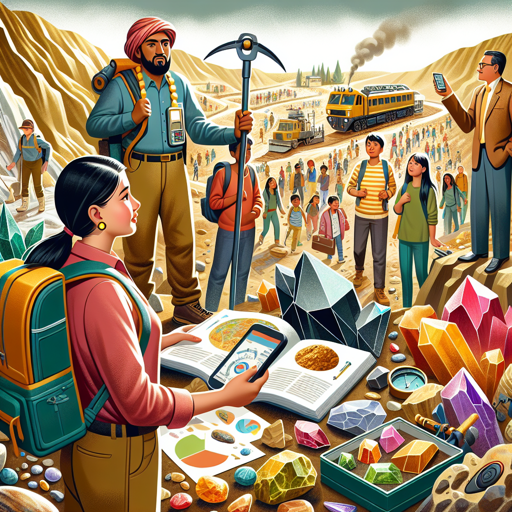
Geology Field Trips for Beginners Made Easy
Are you captivated by the sparkling world of minerals? Do you dream of holding ancient rocks and uncovering the stories they have to tell? Whether you’re a geology enthusiast, an educator planning a class outing, or a curious beginner eager to explore the Earth’s wonders, geology field trips are your gateway to a deeper understanding of our planet.
Fieldwork is where textbook knowledge transforms into unforgettable, hands-on experience. However, your first geology field trip can seem daunting. What do you need to bring? How do you stay safe? How can you turn your excursion into an adventure that’s both fun and educational?
This guide is designed for beginners—students, teachers, and earth science lovers—offering practical tips, essential tools, and expert advice to make your first geology field trip a success.
Why Geology Field Trips Matter
Nothing compares to learning geology in the field. Observing rock formations, collecting samples, and identifying minerals in their natural environment provides context and excitement that no classroom can match.
“The best geologist is the one who has seen the most rocks.”
— Herbert Harold Read
Field trips foster curiosity, critical thinking, and a lifelong passion for earth sciences. They also encourage teamwork and observation skills that are invaluable for budding geologists.
Preparing for Your First Field Trip
1. Research Your Destination
Start your adventure by learning about your destination. Is it a mineral-rich quarry, a fossil site, or a dramatic outcrop? Each location offers unique learning opportunities.
Tips:
- Look up geological maps and recent studies of the area.
- Check access permits or permissions if needed.
- Find out about local hazards (steep slopes, loose rocks, wildlife).
Resource: USGS Map Locator
2. Gather the Right Gear
Fieldwork doesn’t require expensive equipment—but some essentials can make your trip safe and productive. Here’s a handy comparison of must-haves:
| Item | Purpose | Beginner Alternative | Pro Tip |
|---|---|---|---|
| Field notebook | Record observations | Any sturdy notebook | Use waterproof paper |
| Geology hammer | Collect samples | Borrow from a club or friend | Use responsibly |
| Hand lens (10x) | Examine minerals closely | Magnifying glass | Attach to keychain |
| Topographic map | Navigation | Free printouts from online maps | Mark GPS coordinates |
| Compass | Orient yourself | Phone compass app | Practice before trip |
| Sturdy boots | Protect feet | Any hiking boots | Break in before trip |
| Safety goggles | Eye protection | Sunglasses (temporary) | Always wear when hammering |
| Gloves | Protect hands | Gardening gloves | Keep spares |
| Backpack | Carry gear and samples | School backpack | Compartments help |
| Water/snacks | Stay hydrated | Reusable bottle/snacks | Extra for emergencies |
Remember: Leave no trace. Respect private property and protected sites.
3. Brush Up on Basic Skills
Before heading out:
- Review basic rock and mineral identification.
- Learn to use your compass and read a map.
- Practice note-taking and sketching geological features.
Tip: Download or print a simple field guide for minerals and rocks in your area.
Making Your Field Trip Educational
1. Set Clear Objectives
What do you want to learn or discover? Setting goals helps keep your exploration focused and rewarding.
Ideas:
- Identify three different rock types.
- Find and document at least one crystal or fossil.
- Sketch a geological structure (like a fold or fault).
- Collect safe-to-remove samples for further study.
2. Observe, Record, Reflect
A field notebook is your most valuable tool. Record:
- Location (GPS or description)
- Time and weather conditions
- Rock types and formations
- Sketches of outcrops or structures
- Unusual finds or questions
Sample Field Note Entry:
Date: 2026-05-12 Location: Galena Quarry (GPS: 40.1234 N, -104.5678 W) Weather: Sunny, 18°C Observations: Purple fluorite veins in limestone matrix. Cubic crystals visible (up to 2 cm). Layered sandstone above. Sketch: [Insert sketch] Questions: What caused the fluorite to crystallize here?
3. Use All Your Senses
Geology is multisensory. Listen to gravel crunch underfoot; feel the roughness of granite; notice mineral colors in sunlight; even carefully sniff rocks (some sulfur minerals have distinctive smells!). Sensory observations enrich your understanding.
Staying Safe (and Legal)
Safety is paramount on any field trip.
Key Safety Tips
- Wear appropriate clothing: Dress in layers; bring rain gear if necessary.
- Stay in groups: Never wander off alone.
- Watch your step: Loose rocks and uneven ground are common hazards.
- Protective gear: Always wear safety goggles when hammering; gloves reduce cuts.
- First aid kit: Carry basic supplies for cuts, bites, or stings.
- Sun protection: Hats, sunscreen, and sunglasses are essential.
Legal and Ethical Considerations
- Obtain permissions for private land or restricted sites.
- Follow all local regulations regarding collecting samples.
- Do not disturb wildlife or archaeological artifacts.
- Practice ethical collecting: take only what you need; leave some specimens for others.
- Fill in any holes made during sampling.
Did You Know?
In many countries, removing fossils or minerals from certain sites is strictly forbidden without permits.
Making Learning Fun: Activities for Beginners
Field trips can be both educational and entertaining!
Fun Activities
1. Rock Bingo
Create bingo cards with common rock types or features found at your site. Mark off each as you find them!
2. Mineral Scavenger Hunt
List specific colors, shapes, or mineral properties (e.g., “find something metallic,” “a rock with layers”).
3. Sketching Contest
Encourage participants to sketch the most interesting feature they see—compare results at the end!
4. Nature Journaling
Write a poem or short description inspired by the landscape.
5. Group Presentations
Each group shares their most exciting discovery with the rest of the class or outing group.
Top Beginner-Friendly Geology Field Trip Sites
Here are some popular—and accessible—destinations perfect for first-time field geologists:
| Site Name | Location | Highlights | Permission Needed? |
|---|---|---|---|
| Roadside Outcrops | Nationwide | Visible layering/folds | No (public roads) |
| Beach Pebble Hunting | Coastal Regions | Rounded rocks/minerals | Check local rules |
| Public Quarries | Various | Diverse minerals/rocks | Often yes |
| Local Nature Parks | Near urban areas | Glacial features/boulders | No (public parks) |
| Fossil Sites | Designated areas | Fossil collecting | Sometimes |
Check with local geological societies or visitor centers for additional recommendations.
Field Trip Checklist
Before you head out, run through this quick checklist:
- Destination researched
- Permissions secured
- Gear packed (hammer, lens, notebook, safety gear)
- Maps/GPS ready
- Weather checked
- Emergency contact informed
- Snacks/water packed
- First aid kit included
Field Trip Pro Tips from Experienced Geologists
- Be patient: Nature doesn’t reveal its secrets quickly—take your time to observe.
- Ask questions: Every rock has a story; curiosity leads to discovery.
- Share knowledge: Discuss finds with friends or classmates; you’ll learn more together.
- Photograph responsibly: Photos help with later identification—include a scale like a coin or pen.
- Respect the landscape: Leave sites better than you found them.
Inspiring Stories: A Beginner’s Discovery
When Sarah, a high school student from Colorado, joined her first geology field trip to a local quarry, she was nervous about not knowing enough. But when she spotted a glint of purple among gray rocks, she used her field guide and hand lens to identify her first fluorite crystal! That moment sparked her passion for mineralogy—and now she’s studying earth sciences in college.
You never know what discovery awaits on your own field adventure!
Helpful Resources for Your Next Field Trip
- Geological Society of America Field Guide Series
- Mindat.org – Mineral Database
- USGS Education Resources
- Local rockhounding clubs and natural history museums often organize guided trips—join one near you!
Conclusion
Your first geology field trip is more than just an outing—it’s an invitation to explore the deep history beneath your feet. With the right preparation, an open mind, and a sense of adventure, you’ll return not only with fascinating specimens but also with stories and skills that will last a lifetime.
So grab your notebook, gather some friends or students, and set out on your own journey into the world of minerals, rocks, and earth science discovery!
Happy rock hunting!
External Reference:
USGS Map Locator & Downloader
Looking for more tips or want to share your own field trip story? Drop us a comment below!