 Mineral Matrix: An AI Journey into Earth’s Treasures
A Guide to Ethical Gemstone Sourcing
Learn how to choose gemstones that are responsibly sourced and support sustainable mining practices.
Introduction
Gleaming with color and history, gemstones have enchanted humanity for thousands of years. Whether set into rings, worn as talismans, or collected for their geological intrigue, these mineral marvels connect us to Earth’s deep past and distant cultures. However, beneath their sparkling surfaces lies a complex web of environmental, social, and economic impacts. As awareness grows about the consequences of mining and global trade, more consumers and professionals are asking: How can we ensure the gemstones we cherish are sourced ethically?
This guide explores what ethical gemstone sourcing means, why it matters, and how you—as a geology enthusiast, educator, or conscious consumer—can make informed choices that support responsible practices. We’ll delve into the challenges of tracing gems from mine to market, spotlight certifications, and share practical tips for selecting stones that align with your values.
The Hidden Journey of Gemstones
From Earth to Adornment
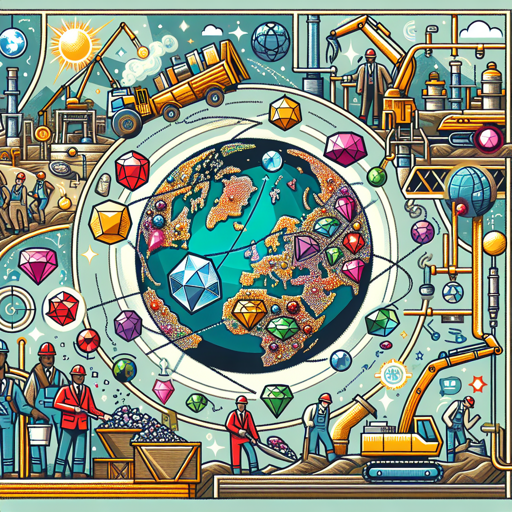
Every gemstone starts its journey deep within the Earth’s crust. Over millions of years, heat and pressure transform minerals into crystals of extraordinary beauty—diamonds, sapphires, emeralds, tourmalines, and many more. Extracting these treasures requires skilled mining, but the path from mine to market is rarely straightforward.
After extraction, rough gems pass through several hands: miners, brokers, cutters, polishers, traders, and jewelers. Each stage adds value but also obscures the stone’s origin. By the time a gemstone gleams in a jewelry case or a collector’s cabinet, its story may be hidden or forgotten.
The Dark Side of Gem Mining
While gemstones symbolize love and luxury, their extraction can come at a high cost:
- Environmental Degradation: Unregulated mining often results in deforestation, soil erosion, water pollution, and habitat loss.
- Human Rights Violations: In some regions, gemstone mining is linked to unsafe working conditions, child labor, exploitation, and conflict financing.
- Economic Disparity: Local communities may see little benefit while profits are siphoned off by intermediaries and international traders.
These issues have spurred calls for transparency and reform in the global gemstone trade.
What Is Ethical Gemstone Sourcing?
Ethical sourcing refers to acquiring gemstones in a manner that respects human rights, protects the environment, and contributes positively to local communities. Ethical sourcing encompasses several key principles:
- Fair Labor: Ensuring miners and workers receive fair wages and work in safe conditions.
- Environmental Stewardship: Minimizing ecological impact through responsible mining practices.
- Community Benefit: Supporting local development and respecting indigenous rights.
- Traceability: Providing transparent records of a gemstone’s journey from mine to market.
“Ethical sourcing is not just a trend—it’s an essential shift toward responsibility and respect for both people and the planet.”
— Dr. Payal Shah, Geologist and Sustainability Advocate
Why Does Ethical Sourcing Matter?
For many consumers and professionals in the earth sciences and jewelry industries, ethical sourcing is a moral imperative. Here’s why it matters:
- Environmental Responsibility: Mining can cause irreversible damage. Ethical practices help preserve biodiversity and reduce carbon footprints.
- Human Dignity: Fair labor practices protect some of the world’s most vulnerable workers.
- Cultural Respect: Many indigenous communities have deep connections to mineral-rich lands; ethical sourcing honors their rights.
- Market Trust: Transparency builds consumer confidence and supports long-term industry viability.
- Educational Value: For educators and students, understanding ethical sourcing bridges geology with real-world social issues.
The Challenges of Traceability
Unlike gold or diamonds—which have seen significant investment in traceability technologies—colored gemstones present unique challenges:
- Diverse Sources: Gemstones are mined in dozens of countries by artisanal diggers as well as large corporations.
- Complex Supply Chains: Gems often change hands multiple times, making origin tracking difficult.
- Lack of Standardization: No global standard exists for gemstone traceability; certification schemes vary widely.
Despite these hurdles, progress is being made through new technologies (like blockchain) and industry initiatives.
Certifications and Standards
Several organizations have developed frameworks to promote responsible gemstone sourcing. Here is a comparative table summarizing some of the most recognized standards:
| Certification/Initiative | Focus Areas | Strengths | Limitations |
|---|---|---|---|
| Fairmined/Fairtrade Gold & Gems | Fair labor; traceability | Direct community benefit; transparency | Limited availability; higher costs |
| Responsible Jewellery Council (RJC) | Environmental; social | Comprehensive audit; industry-wide adoption | Not gemstone-specific; voluntary |
| Gemfields | Environmental; community | Direct mine-to-market traceability | Only covers own mines; limited gem types |
| Kimberley Process (Diamonds only) | Conflict prevention | Widely adopted for diamonds | Does not cover colored gemstones |
| International Colored Gemstone Association (ICA) Code of Ethics | Best practices guidance | Education-focused; industry engagement | Not a certification; self-regulated |
These certifications can guide consumers and professionals in making responsible choices but are not without challenges.
How to Choose Ethically Sourced Gemstones
Choosing ethically sourced gemstones requires research and critical thinking. Here are practical steps you can take:
1. Ask Questions
When buying gemstones—whether for personal use or educational collections—ask suppliers:
- Where was this gemstone mined?
- Can you provide documentation or certification?
- What steps do you take to ensure ethical practices?
Reputable dealers should welcome these inquiries.
2. Look for Certifications
Seek out gemstones certified by organizations such as Fairmined or suppliers adhering to the Responsible Jewellery Council’s standards. While not foolproof, these certifications indicate a commitment to ethical practices.
3. Support Artisanal Miners
Small-scale miners often face economic hardship. Supporting initiatives that empower artisanal miners—especially women and local communities—helps ensure fairer distribution of profits.
4. Choose Local or Traceable Stones
Whenever possible, select gemstones mined in countries with strong environmental and labor regulations—or from suppliers who document their supply chains.
5. Educate Yourself
Stay informed about current issues in gemstone mining. Resources like GIA’s Guide to Ethical Sourcing offer valuable insights.
Spotlight: Traceable Gemstones in Practice
Let’s look at real-world examples where ethical sourcing is making a difference:
Sapphire Mining in Sri Lanka
Sri Lanka’s centuries-old sapphire mining industry is renowned for its traditional “pit mining” methods—low-impact techniques that minimize environmental harm. Many Sri Lankan miners belong to cooperatives that support fair wages and community development.
Fairmined Gold & Gems from Colombia
The Fairmined initiative works with Colombian mining communities to certify that gold—and associated gems like emeralds—are extracted under strict social and environmental standards. Certified stones command premium prices that benefit local miners directly.
Blockchain Traceability in East Africa
Some companies now use blockchain technology to track colored gems—like tanzanite—from mine to market. This digital ledger system helps prevent fraud and ensures transparency at every step.
Ethical Sourcing Beyond the Retail Counter
Ethical gemstone sourcing isn’t just for consumers. Educators can incorporate these topics into geology and earth science curricula to foster critical thinking about sustainability. Students can explore case studies or research local mining practices as part of their mineralogy education.
For collectors and researchers, provenance adds value—not just monetary but also scientific—by connecting specimens to specific geological contexts.
How Can the Industry Improve?
While progress is evident, there’s much work ahead:
- Standardization: Industry-wide standards for colored gemstone traceability are urgently needed.
- Education: Raising awareness among miners, dealers, consumers, and educators is key.
- Technology: Adoption of blockchain or other digital tracking tools could revolutionize transparency.
- Collaboration: Partnerships between governments, NGOs, industry associations, and local communities will drive lasting change.
As interest in ethical sourcing grows, more companies will feel pressure to document their supply chains—and more consumers will demand proof of responsible practices.
Conclusion
Gemstones remind us of Earth’s beauty and power—but they also reflect our values as stewards of the planet. By choosing ethically sourced stones, we honor both nature and the people whose labor brings these treasures to light.
Whether you’re an educator teaching geology students about mineral resources, an enthusiast building a collection with conscience, or a consumer seeking meaningful jewelry, your choices matter. Ask questions. Demand transparency. Support initiatives that prioritize people and the environment.
Together, we can ensure that every gemstone tells not just a story of geological wonder—but also one of respect, responsibility, and hope for a more sustainable future.
Further Reading
For more information on ethical gemstone sourcing practices, visit the Gemological Institute of America’s Guide on Ethical Sourcing.