 Mineral Matrix: An AI Journey into Earth’s Treasures
Minerals in Health Supplements Fact or Fiction
A deep dive into minerals in wellness supplements and what the science really says.
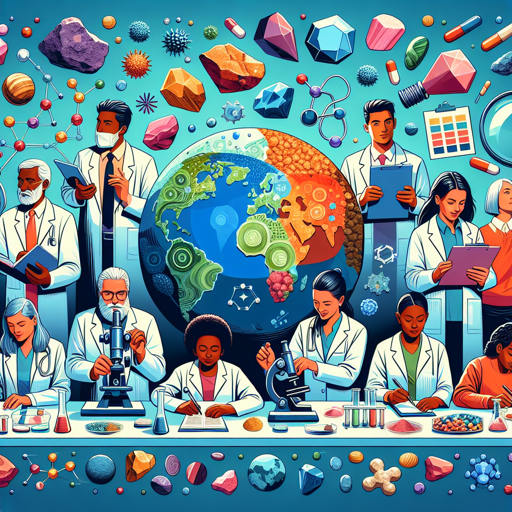
Minerals in Health Supplements: Fact or Fiction?
Introduction
From the vibrant blue of lapis lazuli to the practical beauty of quartz, minerals have fascinated humanity for millennia. But their influence extends far beyond jewelry and geological collections. In recent years, minerals have found a new role as health supplements, promising everything from stronger bones to sharper minds. Supermarket shelves, pharmacies, and online stores are awash with an array of mineral supplements—zinc for immunity, magnesium for muscle relaxation, calcium for bone strength, and the list goes on.
But do these supplements really deliver on their promises? Or are they simply riding the waves of wellness trends, offering little more than hope in a bottle? As geology enthusiasts, educators, and earth science lovers, a deeper understanding of the origins, roles, and realities of mineral supplements can help us separate fact from fiction.
In this article, we’ll journey from the rocks beneath our feet to the capsules in our medicine cabinets. We’ll explore what minerals are, how they’re sourced, why our bodies need them, and what science says about supplementing our diets. Let’s dig in!
What Are Minerals? A Geologist’s Perspective
At its core, a mineral is a naturally occurring inorganic solid with a definite chemical composition and an ordered atomic structure. Minerals form the fundamental building blocks of rocks and are essential to Earth’s processes. But their significance doesn’t end there—they are critical to life itself.
Essential Dietary Minerals
While the periodic table houses over 100 elements, only a select few minerals are essential for human health. These “dietary minerals” are nutrients our bodies cannot produce in sufficient quantities and must obtain from food or water.
The Major Players
Dietary minerals fall into two main groups:
- Macrominerals: Needed in larger amounts (e.g., calcium, phosphorus, magnesium, sodium, potassium).
- Trace Minerals: Required in tiny amounts (e.g., iron, zinc, copper, selenium, iodine).
| Mineral | Function in the Body | Daily Value (Adults) | Natural Sources |
|---|---|---|---|
| Calcium | Bone/teeth health, nerve signaling | 1000–1300 mg | Dairy, leafy greens |
| Magnesium | Muscle/nerve function, energy | 310–420 mg | Nuts, whole grains |
| Iron | Oxygen transport (hemoglobin) | 8–18 mg | Red meat, legumes |
| Zinc | Immunity, wound healing | 8–11 mg | Seafood, seeds |
| Iodine | Thyroid hormone production | 150 mcg | Iodized salt, seaweed |
| Selenium | Antioxidant protection | 55 mcg | Brazil nuts, fish |
How Are Mineral Supplements Made?
From Earth to Bottle
Most minerals used in supplements originate from geological sources—mined from ore deposits or extracted from mineral-rich water. For example:
- Calcium: Often derived from limestone (calcium carbonate) or dolomite.
- Magnesium: Sourced from seawater or magnesite ore.
- Zinc: Extracted from sphalerite ore.
- Iron: Taken from hematite or goethite ores.
These raw minerals undergo extensive processing—purification, conversion to bioavailable forms (like chelates or salts), and quality testing—before ending up as pills or powders.
Are All Supplement Minerals Created Equal?
Not exactly. The chemical form of a mineral affects how well your body absorbs it. For example:
- Calcium carbonate is absorbed best with food; calcium citrate absorbs well on an empty stomach.
- Ferrous sulfate (iron) is more readily absorbed than ferric forms.
Manufacturers may also “chelate” minerals—binding them to amino acids—to increase absorption.
Do We Really Need Mineral Supplements?
The Case for Supplements
Supplements can be beneficial when:
- Dietary intake is insufficient.
- There are increased physiological needs (e.g., pregnancy).
- Medical conditions impair absorption (e.g., celiac disease).
- Individuals follow diets that exclude certain food groups (e.g., veganism).
The Case Against Routine Supplementation
Most healthy adults eating a varied diet get adequate minerals from food. In fact, excessive supplementation can be harmful—leading to toxicity or interfering with absorption of other nutrients.
“The best way to get the vitamins and minerals you need is by eating a wide variety of healthy foods.”
— U.S. National Institutes of Health
Science Check: What Does Research Say?
Let’s take a closer look at some popular mineral supplements.
Calcium
Claim: Prevents osteoporosis and strengthens bones.
Fact: Calcium is essential for bone health. Supplements help in people at risk of deficiency (e.g., postmenopausal women), but excess intake has been linked to kidney stones and possible cardiovascular risk. Foods rich in calcium are generally recommended over supplements.
Magnesium
Claim: Relieves muscle cramps and promotes relaxation.
Fact: Magnesium plays a role in muscle function. Some evidence supports supplementation for specific groups (e.g., those with deficiency or certain conditions), but benefits for the general population are limited.
Zinc
Claim: Boosts immunity and shortens colds.
Fact: Zinc is vital for immune function. Supplementation may reduce cold duration if taken early but excessive zinc can suppress immunity and cause other side effects.
Iron
Claim: Increases energy and prevents anemia.
Fact: Iron-deficiency anemia is common worldwide. Supplementation is crucial for those diagnosed with deficiency but unnecessary iron can cause toxicity.
Table: Common Myths vs. Scientific Findings
| Mineral | Popular Claim | Scientific Consensus |
|---|---|---|
| Calcium | Everyone needs a daily supplement | Only if dietary intake is inadequate |
| Magnesium | Prevents all muscle cramps | Only helpful in some cases |
| Zinc | Higher doses = better immunity | Excess is harmful |
| Iron | More iron = more energy | Only if deficient |
Potential Risks and Side Effects
Excess intake of certain minerals can pose serious health risks:
- Calcium: Kidney stones, impaired absorption of other minerals.
- Iron: Liver damage, gastrointestinal issues.
- Zinc: Nausea, immune suppression.
- Selenium: Hair loss, nerve damage.
It is vital to consult healthcare professionals before starting supplements.
The Geology-Earth Science Connection
For geology enthusiasts, understanding the journey of minerals—from geologic formations to human health—is deeply rewarding. Mining practices impact not only supplement quality but also environmental sustainability. Ethical sourcing and responsible mining ensure that wellness doesn’t come at Earth’s expense.
Visual Comparison: Food vs. Supplements
| Aspect | Natural Food Sources | Supplements |
|---|---|---|
| Absorption | Often better due to cofactors | Varies by form |
| Cost | Part of daily diet | Ongoing expense |
| Risk of Excess | Low (with normal diet) | Higher risk |
| Additional | Fiber, phytonutrients | None |
A Note on Gemstones and Wellness Claims
Some wellness trends tout gemstones like amethyst or quartz as having “healing energy.” While these minerals are scientifically fascinating—and boast unique properties—there’s no credible scientific evidence supporting health claims from wearing or placing gemstones on the body.
External Reference
For authoritative information on dietary minerals and supplementation, visit the U.S. National Institutes of Health Office of Dietary Supplements.
Conclusion
Minerals are the unsung heroes both beneath our feet and within our bodies. While supplements can play an important role for those with specific deficiencies or increased needs, they are not a panacea for everyone. A balanced diet remains the gold standard for meeting most nutritional needs—plus it brings the added joy of savoring nature’s bounty.
As geology enthusiasts and earth science advocates, appreciating the connections between Earth’s minerals and human health offers new layers of meaning to our passion. So next time you reach for a supplement bottle, think about its journey from ancient rock to modern wellness—and remember that sometimes, less is more.
Stay curious and keep exploring!