 Mineral Matrix: An AI Journey into Earth’s Treasures
Worlds Top Mineral Museums for Geology Lovers
Explore iconic mineral museums, their collections, and why they inspire geology enthusiasts worldwide.
Introduction
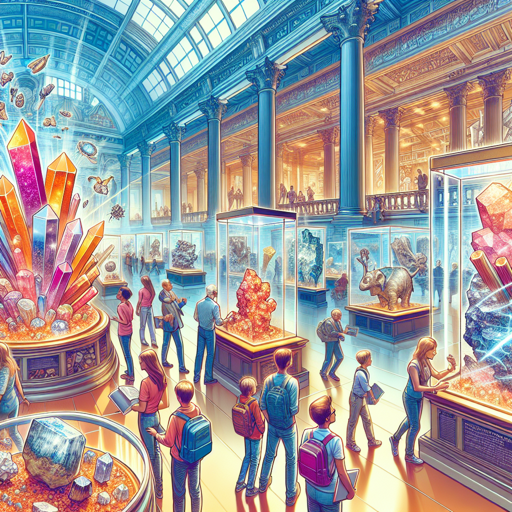
For anyone captivated by the sparkle of gemstones, the structure of crystals, or the deep history locked inside rocks, mineral museums are gateways to wonder. They bring together spectacular mineral specimens, rare gemstones, and the stories of earth’s dynamic processes under one roof. These institutions are more than just collections—they are hubs of education, research, and inspiration for geology enthusiasts, educators, students, and curious visitors alike.
In this article, we embark on a global tour of the most famous and influential mineral museums. Whether you’re planning an educational trip, seeking to deepen your knowledge of mineralogy, or simply dreaming of standing in front of the world’s largest amethyst geode, these must-visit museums promise unforgettable experiences.
Why Visit Mineral Museums?
Before we set off on our journey, it’s worth asking: what makes mineral museums so special?
- Unparalleled Collections: See specimens you could never hope to find in the wild—from diamonds the size of your fist to meteorites from outer space.
- History and Science Combined: Learn how minerals shaped civilizations, powered technological revolutions, and recorded the planet’s evolution.
- Inspiration for All Ages: From children marveling at glowing minerals to researchers examining rare inclusions, museums ignite curiosity across generations.
“Minerals are the alphabet of the Earth. Every specimen in a museum tells a story—of time, pressure, chemistry, and sometimes, human ingenuity.”
— Dr. Eloise Beaumont, Museum Curator
The Most Famous Mineral Museums Worldwide
Let’s explore some of the premier destinations where minerals and gems take center stage.
1. Smithsonian National Museum of Natural History (Washington D.C., USA)
Collection Highlights: The National Gem and Mineral Collection is legendary. Stand before the Hope Diamond—a 45.52-carat deep-blue diamond with a storied past—or gaze at the Star of Asia sapphire. The museum’s collection spans over 375,000 mineral specimens and 10,000 gems.
Educational Value: Renowned for interactive exhibits and up-to-date research, it’s a cornerstone for earth science education in America.
Visitor Tip: Don’t miss the Janet Annenberg Hooker Hall of Geology, Gems, and Minerals with its immersive displays on mineral formation and geologic processes.
2. The Natural History Museum (London, UK)
Collection Highlights: With over 185,000 mineral specimens and 500,000 fossils, this museum is a treasure trove. Marvel at the Aurora Pyramid of Hope—a stunning collection of colored diamonds—and one of the world’s largest meteorites.
Educational Value: Offers extensive educational programming for students and teachers. The displays merge history with cutting-edge science.
Visitor Tip: Take time for the Earth Hall with its dramatic escalator ascent through a glowing model of the Earth’s core.
3. The American Museum of Natural History (New York, USA)
Collection Highlights: The Mignone Halls of Gems and Minerals showcase over 5,000 specimens. Notable pieces include a massive 632-carat Patricia Emerald and breathtaking displays of quartz crystals.
Educational Value: Engaging interactive exhibits explain the role minerals play in daily life and industry.
Visitor Tip: Interactive touch screens allow visitors to explore mineral properties and crystal systems in detail.
4. Musée de Minéralogie MINES Paris (Paris, France)
Collection Highlights: One of Europe’s oldest mineral collections (over 100,000 specimens), including historic crystals collected since the 18th century.
Educational Value: It’s housed within MINES ParisTech and is a hub for scholarly research as well as public education.
Visitor Tip: Don’t miss the French classic specimens—such as fluorites from Le Burc or pyromorphite from Les Farges.
5. Fersman Mineralogical Museum (Moscow, Russia)
Collection Highlights: Russia’s largest mineral collection with over 135,000 items. Home to spectacular Russian gems like alexandrite and demantoid garnets.
Educational Value: Focuses on both Russian and global mineralogy—ideal for those interested in Eurasian geology.
Visitor Tip: The displays on meteorites and pegmatite minerals are truly world-class.
6. Royal Ontario Museum (Toronto, Canada)
Collection Highlights: Over 40,000 mineral specimens including rare Canadian finds such as silver from Cobalt and spectacular gold nuggets from Ontario.
Educational Value: Offers family-friendly displays with interactive activities for all ages.
Visitor Tip: The Teck Suite of Galleries is dedicated entirely to earth sciences—don’t miss it!
7. Gemological Institute of America (Carlsbad, USA)
Collection Highlights: A working institute as well as a museum; see some of the world’s most important diamond and colored gemstone collections.
Educational Value: Focused on gemology research and education—ideal for those interested in gemstones and jewelry industries.
Visitor Tip: Take a guided tour to learn about gem identification techniques used by professionals.
8. Museo de La Plata (La Plata, Argentina)
Collection Highlights: Showcases South American mineralogy with displays on meteorites from Patagonia and Andean gems.
Educational Value: Bilingual exhibits explain both geological processes and local mining history.
Visitor Tip: The dinosaur fossils are also worth a visit while you’re there!
9. Swiss National Museum of Minerals (Grisons, Switzerland)
Collection Highlights: Famous for its Alpine minerals—stunning quartz crystals, pink fluorite octahedrons from the Alps, and rare titanite specimens.
Educational Value: Explains the geological forces that shaped the Alps—a treat for anyone fascinated by mountain geology.
Visitor Tip: Visit during special exhibits for rare access to private collector pieces.
10. Houston Museum of Natural Science (Houston, USA)
Collection Highlights: Home to the Cullen Hall of Gems and Minerals featuring thousands of dazzling specimens from around the world—including spectacular topaz crystals and Texas blue sapphires.
Educational Value: Engaging exhibits show how minerals are used in technology and everyday life.
Visitor Tip: Hands-on stations let you test mineral hardness or see fluorescence in action.
Comparison Table: Key Features of Top Mineral Museums
| Museum Name | Location | Notable Specimens | Collection Size | Special Focus / Features |
|---|---|---|---|---|
| Smithsonian National Museum of Natural History | Washington D.C., USA | Hope Diamond | 375k+ minerals | Gems, meteorites, interactive exhibits |
| The Natural History Museum | London, UK | Aurora Pyramid of Hope | 185k+ minerals | Earth Hall, colored diamonds |
| American Museum of Natural History | New York City, USA | Patricia Emerald | 100k+ minerals | Interactive learning |
| Musée de Minéralogie MINES Paris | Paris, France | Historic French fluorites | 100k+ minerals | Oldest European collection |
| Fersman Mineralogical Museum | Moscow, Russia | Russian alexandrite | 135k+ minerals | Russian gems & meteorites |
| Royal Ontario Museum | Toronto, Canada | Canadian gold & silver | 40k+ minerals | Family activities |
| Gemological Institute of America | Carlsbad, USA | World-class diamonds | N/A | Gemology research |
| Museo de La Plata | La Plata, Argentina | Patagonian meteorites | N/A | South American minerals |
| Swiss National Museum of Minerals | Grisons, Switzerland | Alpine quartz & fluorite | N/A | Alpine geology |
| Houston Museum of Natural Science | Houston, USA | Texas blue sapphires | N/A | Hands-on stations |
Note: Collection sizes are estimates; some museums do not publicly report precise numbers.
What Makes a Great Mineral Museum Experience?
While each museum boasts unique treasures and themes, world-class mineral museums share several qualities:
- Diverse Collections: From local mining history to global gemstone legends.
- Immersive Displays: Innovative lighting and design reveal minerals at their finest.
- Educational Content: Explains not only what minerals are but how they form and why they matter.
- Research Integration: Many museums contribute to scientific studies—visitors sometimes witness real science in progress.
- Accessibility: Family-friendly spaces with resources for teachers and students.
“A great mineral museum makes the invisible visible. It lets us see Earth’s inner workings through breathtaking natural art.”
— Prof. Luca Ferraro, Geologist & Author
Planning Your Visit: Tips for Geology Enthusiasts
- Check Exhibit Schedules: Some rare specimens are only displayed during special exhibitions.
- Book Guided Tours: Expert guides offer insights you might miss on your own.
- Explore Online Collections: Many museums now offer digital galleries—great for pre-trip research or virtual learning.
- Engage With Interactive Stations: Hands-on activities deepen understanding—perfect for students.
- Support Museum Shops: Many offer unique mineral specimens or educational kits to take home.
Beyond Displays: Museums as Research Centers
Many leading mineral museums are also centers for scientific research:
- Cataloguing New Minerals: Museums regularly collaborate with universities to identify new mineral species.
- Conservation Science: Techniques pioneered in museum labs help preserve fragile specimens.
- Outreach & Education: Museums publish articles and host workshops that shape public understanding of earth sciences.
For a deeper look at how museums contribute to mineralogy research worldwide, see this Society of Mineral Museum Professionals article.
For Educators and Students
Mineral museums offer tremendous resources for classroom learning:
- Curriculum-Aligned Field Trips: Many provide teacher guides linked to school standards.
- Workshops & Lectures: Meet experts who work at the intersection of science communication and geology.
- Resource Libraries: Access to rare books, digital archives, and hands-on teaching tools.
Whether you’re teaching crystallography fundamentals or exploring mining history, these museums bring lessons to life in unforgettable ways.
Conclusion
Mineral museums are not just halls filled with rocks—they are vibrant centers where science meets beauty and curiosity meets discovery. From legendary gems like the Hope Diamond in Washington D.C. to rare Alpine crystals in Switzerland or historic collections in Paris and Moscow, these institutions celebrate Earth’s mineralogical heritage while inspiring future generations of geologists and gem lovers.
If you’re passionate about earth sciences or simply want to witness nature’s most dazzling creations up close, make it a goal to visit one (or more) of these world-class museums. Each offers a unique perspective on our planet’s history—and each provides memories that will shine as brightly as any crystal long after your visit ends.
Looking for more? Explore additional resources on mineral collections at Mineral Museums Worldwide — an excellent directory for planning your next geological adventure!