 Mineral Matrix: An AI Journey into Earth’s Treasures
Minerals and Human Health Essential Elements
Explore how vital minerals support the human body, from bones to brain health, and why geology connects to our daily wellness.
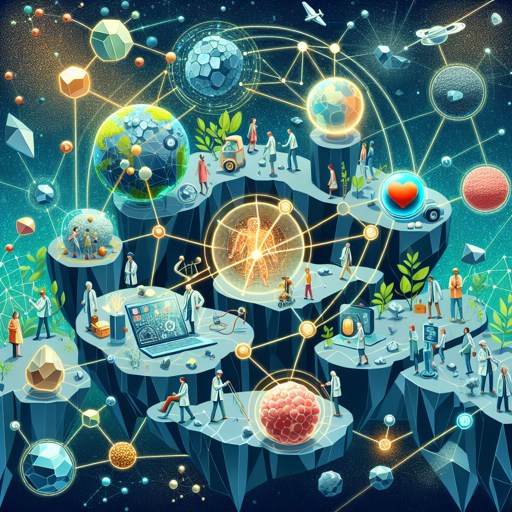
Introduction
Few connections are as fundamental—and as surprising—as the one linking the rocks beneath our feet to our own bodies. While minerals are often associated with dazzling gemstones, glittering crystals, and the rugged world of mining, their hidden role as essential nutrients in human health is just as fascinating. From our bones to our brains, minerals are vital building blocks that support nearly every system in the body. For geology enthusiasts, educators, and earth science lovers, understanding this biological role offers a tangible bridge between the mineral world and daily life.
In this deep dive, we’ll explore which minerals are essential for human health, how they function in our bodies, and why geological processes and mining matter not only to industry but also to our well-being. Whether you’re an educator crafting a lesson plan or a curious reader eager to connect the dots between geoscience and nutrition, this guide will illuminate the crucial role minerals play in our lives.
The Basics: What Are Minerals?
Minerals are naturally occurring inorganic substances with a definite chemical composition and an ordered atomic structure. In geology, minerals build rocks and shape landscapes; in biology, a select group of them—known as essential minerals or dietary minerals—are required for the proper functioning of living organisms.
Dietary Minerals vs. Geological Minerals
Dietary minerals are elements taken from the mineral kingdom and utilized by the human body. Not all geological minerals are beneficial (or even safe) for consumption, but many trace elements found in rocks eventually enter the food chain through soil and water.
Fun Fact: Every mineral you consume—calcium in milk, iron in spinach, magnesium in nuts—originated from geological sources!
Essential Minerals: The Foundation of Human Health
The human body requires more than 20 different minerals for optimal health. These minerals are divided into two main categories:
- Macrominerals: Needed in relatively large amounts (hundreds of milligrams to grams per day).
- Trace Minerals (Microminerals): Needed in much smaller amounts (micrograms to milligrams per day).
Key Macrominerals and Their Roles
| Mineral | Primary Functions | Main Dietary Sources | Deficiency Symptoms |
|---|---|---|---|
| Calcium | Bone/teeth structure, nerve transmission | Dairy, leafy greens, tofu | Osteoporosis, muscle spasms |
| Phosphorus | Bone/teeth structure, energy metabolism | Meat, dairy, legumes | Weakness, bone pain |
| Magnesium | Muscle/nerve function, enzyme activity | Nuts, whole grains, green veggies | Cramps, mental disorders |
| Sodium | Fluid balance, nerve/muscle function | Salt, processed foods | Headache, confusion |
| Potassium | Fluid balance, muscle contractions | Bananas, potatoes, beans | Weakness, arrhythmia |
| Chloride | Fluid balance, stomach acid production | Salt, seaweed | Weakness, metabolic alkalosis |
| Sulfur | Protein synthesis, enzyme reactions | Meat, eggs, legumes | Rare (usually with protein deficit) |
Important Trace Minerals
| Mineral | Primary Functions | Main Dietary Sources | Deficiency Symptoms |
|---|---|---|---|
| Iron | Oxygen transport (hemoglobin), energy production | Red meat, beans, spinach | Anemia, fatigue |
| Zinc | Immune function, wound healing | Meat, seafood, nuts | Impaired immunity, skin lesions |
| Copper | Enzyme reactions, iron metabolism | Shellfish, nuts, seeds | Anemia, neurological issues |
| Manganese | Bone formation, metabolism | Whole grains, nuts | Poor growth, skeletal defects |
| Iodine | Thyroid hormone synthesis | Iodized salt, seafood | Goiter, hypothyroidism |
| Selenium | Antioxidant defense | Brazil nuts, seafood | Weakened immunity |
| Fluoride | Tooth enamel strength | Water (fluoridated), tea | Tooth decay |
| Chromium | Glucose metabolism | Whole grains, meat | Impaired glucose tolerance |
| Molybdenum | Enzyme cofactor | Legumes, grains | Rare; neurological symptoms |
How Do Minerals Get From Earth to You?
Minerals essential for health begin their journey deep within the earth. Through geological processes—weathering of rocks and soil formation—these elements are released into the environment. Plants absorb them from soil; animals eat plants; humans consume both.
Mining plays a crucial role in providing concentrated sources of minerals (e.g., salt mines for sodium chloride or phosphate mines for phosphorus). Industrial processing makes these elements accessible in forms suitable for food fortification or supplements.
Did You Know?
The calcium in your bones could have come from limestone sediment laid down hundreds of millions of years ago!
Minerals at Work: Body Systems Supported by Essential Elements
Let’s explore how specific minerals support different body systems:
1. Skeletal System
- Calcium & Phosphorus: Combine to form hydroxyapatite crystals that give bones and teeth their strength.
- Magnesium: Modulates bone density by influencing the structure of bone crystals.
2. Nervous System
- Sodium & Potassium: Generate electrical impulses for nerve signaling.
- Calcium: Facilitates neurotransmitter release.
3. Muscular System
- Potassium & Magnesium: Prevent muscle cramps and ensure proper contraction.
- Calcium: Triggers muscle contraction at the cellular level.
4. Blood & Circulatory System
- Iron: Core component of hemoglobin for oxygen transport.
- Copper: Helps in iron metabolism and red blood cell formation.
5. Immune System
- Zinc & Selenium: Boost immune cell function and defense against pathogens.
6. Endocrine System
- Iodine: Essential for thyroid hormones that regulate metabolism.
- Chromium: Supports insulin action for blood sugar control.
“Minerals are the silent partners in human health—present in every cell and system but rarely noticed until they are missing.”
— Anonymous nutritionist
Visualizing Mineral Requirements: Recommended Daily Intakes
Here’s a handy comparison table with recommended daily intakes for adults (values may vary by age/sex):
| Mineral | Recommended Daily Intake (Adults) |
|---|---|
| Calcium | 1,000–1,200 mg |
| Phosphorus | 700 mg |
| Magnesium | 310–420 mg |
| Sodium | <2,300 mg |
| Potassium | 2,500–3,400 mg |
| Iron | 8–18 mg |
| Zinc | 8–11 mg |
| Iodine | 150 mcg |
| Selenium | 55 mcg |
[mcg = micrograms]
When Things Go Wrong: Deficiency and Toxicity
Both too little and too much of a mineral can cause problems.
Common Deficiency Disorders
- Iron deficiency anemia: Fatigue and weakness due to low oxygen-carrying capacity.
- Goiter: Swelling of the thyroid gland from iodine deficiency.
- Osteoporosis: Weak bones from inadequate calcium or vitamin D.
- Hypokalemia: Low potassium leading to muscle weakness and heart issues.
Toxicity Risks
Some minerals can become toxic at high intakes:
- Sodium: Linked to high blood pressure when consumed excessively.
- Iron: Overload can damage organs.
- Selenium: Chronic overdose may cause hair loss and nerve damage.
Balance is key! This is why dietary guidelines emphasize varied diets rich in whole foods rather than excessive supplementation.
Geology Meets Nutrition: Why Source Matters
Not all soils are created equal. The geological history of a region influences the mineral content of its crops—and thus its people’s health. Selenium-rich soils in some parts of the world lead to robust antioxidant status; iodine-poor regions have higher rates of thyroid problems unless salt is iodized.
Mining activities also shape global mineral availability. For example:
- Phosphate rock mining supports fertilizer production—a backbone of modern agriculture and food security.
- Salt mining remains vital for both food preservation and dietary needs.
By understanding these links, we appreciate not only the necessity of sustainable mining but also environmental stewardship for future generations.
The Role of Minerals in Modern Medicine
Minerals aren’t just nutrients; they underpin medical advances:
- Imaging Technologies: Barium sulfate for X-rays; gadolinium for MRI scans.
- Therapeutic Uses: Lithium salts for mood disorders; magnesium sulfate (“Epsom salts”) for muscle relaxation.
- Dental Health: Fluoride treatments reduce cavities.
The interface of geology and medicine continues to yield innovations that improve human health worldwide.
Teaching the Connection: Classroom Ideas & Activities
For educators aiming to bridge geology and biology:
- Soil-to-Table Projects: Trace a mineral from its geological source to its function in the body.
- Dietary Analysis: Have students compare their diets against recommended mineral intakes.
- Local Geology Investigations: Study how local soil composition affects crop nutrient content.
- Case Studies: Analyze historical or regional deficiency diseases (e.g., goiter belts).
By relating abstract geoscience concepts to everyday health outcomes, educators foster curiosity and interdisciplinary learning.
Resources and Further Reading
Curious to learn more? Explore these reputable sources:
- National Institutes of Health Office of Dietary Supplements – Mineral Fact Sheets
- World Health Organization – Micronutrients
Conclusion
From ancient rocks to the cells that make up our bodies, minerals form an unbroken chain connecting geology with human health. They are silent, indispensable partners in every aspect of our well-being—from building strong bones to powering brain function and defending against disease.
For geology enthusiasts and earth science lovers alike, recognizing this connection deepens our appreciation for both the mineral kingdom and our own biology. Next time you admire a crystal or ponder an outcrop on a hike, remember: you are stardust—and stone—brought to life by the essential minerals that sustain you.
Whether you’re teaching students about earth’s treasures or simply nourishing your own body with a balanced meal, know that the world beneath your feet is also within you—shaping your health with every step and every bite.