 Mineral Matrix: An AI Journey into Earth’s Treasures
Mining and Its Transformative Impact on Communities
Explore the social impacts of mining on local communities worldwide.
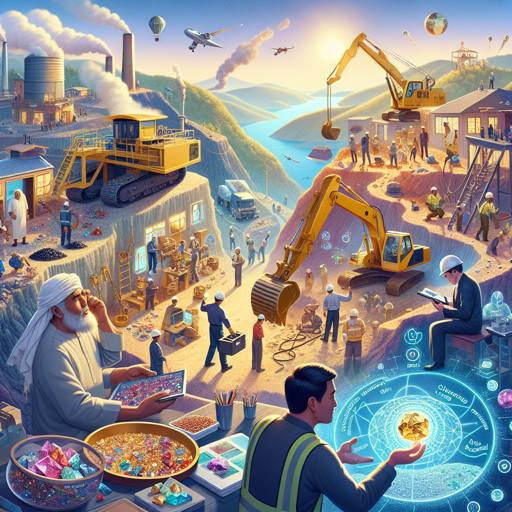
How Mining Shapes Local Communities
Mining has long been a driving force behind the development of civilizations, economies, and technologies. From the earliest days of human history, our ancestors have extracted precious minerals and gemstones from the earth—shaping not only the physical landscape but also the social fabric of entire communities. As interest in minerals, mining, and gemstones continues to captivate geology enthusiasts, educators, and earth science lovers, it is crucial to examine how mining operations profoundly affect the lives of people living in proximity to these activities.
In this article, we explore the multifaceted social impacts of mining on local communities. We will discuss both the positive and negative consequences, drawing from global examples and current research. Whether you are an educator aiming to inspire your students or a geology enthusiast eager to understand the broader context of mining, this in-depth guide will offer valuable insights into the complex interplay between mineral extraction and community life.
The Dual Nature of Mining: Prosperity and Challenge
Mining projects are often associated with economic growth and job creation. They can transform quiet rural towns into bustling hubs of opportunity almost overnight. However, these changes come with their own set of challenges—environmental concerns, social disruptions, and deep cultural shifts.
Economic Opportunities
One of the most visible benefits of mining is the boost it provides to local economies:
- Employment: Mining operations require a diverse workforce, from engineers and geologists to truck drivers and cooks. This creates jobs for both skilled and unskilled laborers.
- Business Growth: Local businesses often flourish as they supply goods and services to mines and their workers.
- Infrastructure Development: Roads, schools, hospitals, and utilities may be improved or newly constructed to support mining activities.
Social and Cultural Disruptions
Despite these benefits, mining can disrupt traditional ways of life:
- In-migration: The influx of workers from outside can strain housing, healthcare, and public services.
- Cultural Change: The blending of different cultures might bring enrichment but also tension.
- Land Displacement: Communities may be relocated to make way for mines, leading to loss of ancestral lands and identity.
Assessing Social Impacts: A Global Perspective
The social impacts of mining are as varied as the communities themselves. To better understand these dynamics, let’s examine several key areas:
Employment and Economic Diversification
Mining can act as a catalyst for regional development. In some cases, it has lifted entire communities out of poverty. For example, the Diavik Diamond Mine in Canada’s Northwest Territories has provided significant employment opportunities for Indigenous peoples while supporting local businesses.
However, reliance on mining can also make communities vulnerable to economic shocks if mineral prices fall or deposits are depleted. Diversification—investing in other industries alongside mining—is essential for long-term stability.
Health and Well-being
Mining activities can influence health outcomes in both positive and negative ways:
- Healthcare Access: Mining companies may invest in local clinics or hospitals.
- Pollution: Dust, chemicals, and waste from mines can contaminate air and water supplies, leading to respiratory issues or other illnesses.
- Occupational Hazards: Miners are at risk for accidents and diseases such as silicosis or hearing loss.
Cultural Heritage and Social Cohesion
For many communities, especially Indigenous groups, land is more than just a resource—it is a cornerstone of cultural identity. Mining can threaten sacred sites or disrupt traditional practices.
“The land is not just soil; it is a foundation of our culture.”
— Indigenous Elder, quoted in MiningWatch Canada report
Maintaining social cohesion requires respect for cultural heritage and meaningful engagement between companies and local people.
Community Engagement: From Conflict to Collaboration
Modern mining practices increasingly recognize the importance of community consent and participation. Companies are expected to consult with local stakeholders before breaking ground—a process known as Free, Prior, and Informed Consent (FPIC).
Best Practices in Community Relations
- Transparent Communication: Regular updates about project plans and impacts.
- Participatory Decision-Making: Involving community members in planning and oversight.
- Benefit Sharing: Ensuring that profits from mining are fairly distributed.
Table 1: Comparison of Community Engagement Approaches
| Approach | Characteristics | Potential Outcomes |
|---|---|---|
| Top-down | Decisions made by company | Community resentment |
| Consultative | Company seeks feedback | Limited trust |
| Collaborative (FPIC) | Joint decision-making | Stronger partnerships |
Case Studies: Mining’s Social Footprint Around the World
1. The Australian Outback: Opal Fields
In Coober Pedy, Australia’s opal capital, mining has created a unique underground community. While opal prospecting brought wealth and new residents, it also led to challenges such as high living costs and social isolation due to harsh desert conditions.
2. Peru’s Andean Highlands: Gold Mining
Gold mining in Peru has generated significant revenues but also fueled conflict over land use and environmental degradation. Some communities have benefited from improved schools and roads; others have protested against pollution and loss of traditional livelihoods.
3. South Africa: Platinum Belt
The platinum mines of South Africa employ thousands but have been linked to labor disputes and health concerns. Efforts are being made to improve housing conditions for miners and foster more equitable economic benefits.
Social Impact Assessment: Tools for Sustainable Mining
A Social Impact Assessment (SIA) is a crucial tool used by mining companies to predict the effects of new projects on local populations. SIAs typically cover:
- Demographics
- Economic trends
- Health indicators
- Cultural values
- Stakeholder concerns
By identifying potential risks and opportunities early on, SIAs help companies minimize harm and maximize positive outcomes.
Learn more about Social Impact Assessments in mining from the International Council on Mining & Metals (ICMM).
The Road Ahead: Building Resilient Mining Communities
For mining to be truly sustainable, it must benefit both present and future generations. This means:
- Promoting local hiring and training
- Supporting small businesses
- Respecting cultural heritage
- Investing in community health
- Planning for life after mine closure
Community-driven initiatives—such as microfinance programs or environmental restoration projects—can empower residents long after the last truck has hauled away its load of ore.
Conclusion
Mining has the power to transform local communities—economically, socially, and culturally. Its impacts are complex: while it can create jobs, improve infrastructure, and stimulate growth, it may also trigger displacement, health risks, and cultural loss if not managed responsibly.
By fostering open dialogue, respecting local voices, and prioritizing sustainability, we can harness the benefits of mining while minimizing its drawbacks. As geology enthusiasts, educators, students, or industry professionals, it is our shared responsibility to ensure that mining shapes communities for the better—now and into the future.
For further reading on responsible mining and community impacts, visit MiningWatch Canada.