 Mineral Matrix: An AI Journey into Earth’s Treasures
How Minerals Power Our Modern Technology
Explore the essential role minerals play in electronics and devices.
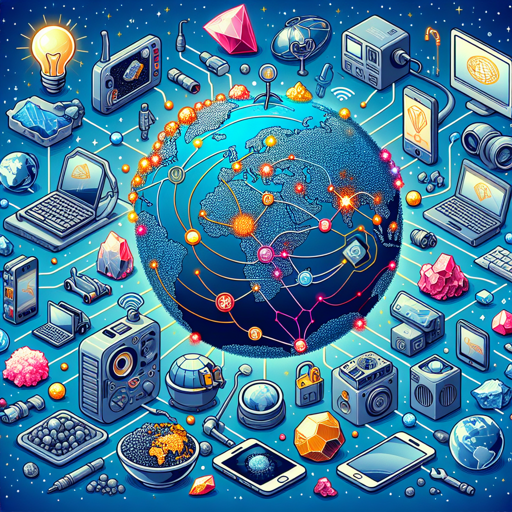
Introduction
Imagine a world without smartphones, laptops, or the internet. It seems almost impossible in today’s digital age. But have you ever wondered what makes these devices tick? The answer lies deep beneath our feet—within the very minerals that form our planet.
From the silicon chips in computers to the lithium in rechargeable batteries, minerals are the unsung heroes powering our modern way of life. For geology enthusiasts, educators, and anyone fascinated by earth sciences, understanding the link between minerals and technology not only deepens our appreciation for the natural world but also illuminates the challenges and opportunities facing society as we move further into the digital era.
In this article, we’ll dive into the fascinating world of minerals in technology, exploring how they drive innovation, what challenges their extraction presents, and why sustainable mineral use is critical for our future.
The Hidden Backbone of Technology
Every time you swipe your smartphone or power up your gaming console, you’re benefiting from a complex web of minerals extracted from around the globe. Many modern electronic devices would simply not exist without specific mineral components. Let’s explore some of the most important minerals that make technology possible.
Key Minerals in Technology
| Mineral | Primary Use in Technology | Example Devices | Major Sources |
|---|---|---|---|
| Silicon | Semiconductors for chips and circuits | Computers, Smartphones | China, USA |
| Lithium | Rechargeable batteries | Phones, Electric Vehicles | Australia, Chile |
| Cobalt | Battery cathodes | Laptops, Electric Vehicles | DRC, Russia |
| Copper | Wiring and circuit boards | All electronic devices | Chile, Peru |
| Tantalum | Capacitors | Mobile phones, Game consoles | Rwanda, DRC |
| Rare Earths | Magnets, displays, lasers | TVs, Wind turbines, Smartphones | China, USA |
| Gold | Connectors and contacts | Computers, Phones | China, Australia |
| Tin | Solder for circuit boards | Electronics | China, Indonesia |
Table 1: Essential minerals used in modern technology and their sources.
Silicon: The Heart of Electronics
Silicon is perhaps the most famous technological mineral. Derived from quartz (SiO₂), it forms the backbone of microchips that process information in computers and smartphones. Silicon’s unique properties allow it to conduct electricity under specific conditions—making it ideal for transistors and integrated circuits.
Lithium and Cobalt: Fueling the Battery Revolution
Rechargeable lithium-ion batteries power everything from mobile phones to electric vehicles (EVs). Lithium provides the lightweight energy storage needed for portable electronics. Cobalt, often used in battery cathodes, improves energy density and extends battery life. However, cobalt mining has raised ethical concerns due to labor practices in some source countries.
Rare Earth Elements: The Invisible Powerhouses
A group of 17 elements known as rare earths play crucial roles in technologies that require strong magnets (like wind turbines and electric motors), vibrant screens (LEDs), lasers, and even advanced medical equipment. Despite their name, rare earths are relatively abundant but difficult to extract economically.
From Mines to Microchips: The Journey of a Mineral
The journey from raw mineral to finished device is long and complex:
- Exploration and Mining: Geologists identify deposits using mapping and analysis. Mining methods vary—open-pit for large deposits or underground for deeper veins.
- Processing: After extraction, minerals are refined and purified. This can involve crushing rock, chemical leaching, or high-temperature smelting.
- Manufacturing: Purified minerals are transformed into components—silicon wafers for chips, copper wiring for circuits, or lithium compounds for batteries.
- Assembly: Manufacturers integrate these components into finished products like smartphones or EVs.
- Recycling and Disposal: End-of-life devices can be sources of secondary minerals through recycling—helping reduce demand for new mining.
This process links geology directly with engineering and product design. A single smartphone may contain up to 60 different minerals!
Challenges: Scarcity, Ethics, and Sustainability
While minerals make technological marvels possible, their extraction and use raise complex issues.
Mineral Scarcity
Some critical minerals are found only in a handful of places. For example:
- More than 60% of the world’s cobalt comes from the Democratic Republic of Congo (DRC).
- China dominates rare earth element production.
- Lithium deposits are highly concentrated in Australia, Chile, and Argentina (the “lithium triangle”).
This geographic concentration creates supply risks—political instability or trade disputes can disrupt global markets.
Environmental Impact
Mining can have significant environmental footprints:
- Land degradation: Open-pit mines transform landscapes.
- Water pollution: Chemicals used in processing can contaminate rivers and groundwater.
- Biodiversity loss: Habitat destruction threatens local flora and fauna.
- Carbon emissions: Mining operations consume large amounts of energy.
Ethical Sourcing
Some minerals are linked to human rights abuses—child labor in cobalt mines or funding of conflicts through “blood minerals.” The electronics industry increasingly faces pressure to trace mineral origins and ensure ethical sourcing.
Sustainability Solutions
To address these challenges:
- Recycling: Recovering minerals from e-waste reduces demand for new mining.
- Innovation: Developing alternative materials or more efficient designs minimizes mineral use.
- Responsible Mining: Certification schemes (like the Responsible Minerals Initiative) promote ethical practices.
- Circular Economy: Designing products with reuse and recycling in mind extends mineral lifecycles.
“The stone age did not end for lack of stone, and the oil age will end long before the world runs out of oil.”
—Sheikh Ahmed Zaki Yamani
This famous quote reminds us that technological progress is less about depleting resources than about innovation—and minerals are at the heart of that innovation.
How Minerals Shape Our Future: Emerging Technologies
Minerals will continue to shape emerging technologies in profound ways:
Renewable Energy
- Wind Turbines: Require rare earth magnets for efficient energy generation.
- Solar Panels: Use silicon and silver for photovoltaic cells.
- Energy Storage: Depend on lithium, cobalt, nickel for battery technology.
Computing and Communication
- 5G Networks: Rely on tantalum capacitors for speed and reliability.
- Quantum Computing: May require new materials like niobium or specialized rare earths.
Medical Devices
- MRI Machines: Use superconducting magnets made from niobium-titanium alloys.
- X-Ray Equipment: Employ tungsten as a target material.
Space Exploration
- Lightweight alloys (aluminum, titanium) and specialized ceramics derived from minerals are crucial for spacecraft construction.
Visualizing Mineral Use in Technology
Here’s a concise breakdown of how different devices rely on specific minerals:
| Device Type | Key Minerals Used | Critical Function |
|---|---|---|
| Smartphone | Silicon, Lithium, Tantalum | Processing, Batteries, Capacitors |
| Electric Vehicle | Lithium, Cobalt, Nickel | Batteries |
| Wind Turbine | Rare Earths (NdFeB Magnets) | High-efficiency generators |
| Computer Processor | Silicon, Gold | Circuit logic |
| Solar Panel | Silicon, Silver | Energy conversion |
| MRI Scanner | Niobium-Titanium | Superconducting magnets |
Table 2: How common devices depend on specific minerals.
Education and Advocacy: The Role of Geology Enthusiasts
Understanding why minerals matter in technology is more important than ever. Geology educators and enthusiasts play a vital role by:
- Teaching future generations about mineral resources and their impact.
- Advocating for responsible mining and sustainable consumption.
- Supporting research into alternative materials and recycling methods.
- Promoting awareness of ethical sourcing issues.
A deeper appreciation for minerals can inspire more responsible choices—from how we recycle old electronics to the policies we support around mining and resource management.
External Reference
For a comprehensive overview of critical minerals in technology and their supply chains, visit U.S. Geological Survey - Mineral Commodity Summaries.
Conclusion
Minerals are more than just rocks beneath our feet—they are the invisible force powering our digital lives. From silicon chips to lithium batteries, from copper wiring to rare earth magnets, these resources make modern technology possible.
Yet as society becomes ever more dependent on electronics and renewable energy solutions, ensuring sustainable and responsible mineral use will be one of our greatest challenges—and opportunities—for the future.
Whether you’re a geology enthusiast marveling at quartz crystals or an educator explaining the journey from ore to iPhone, remember: every device starts with a mineral. By understanding this connection, we can build a world that values both technological progress and the treasures of our planet.