 Mineral Matrix: An AI Journey into Earth’s Treasures
Opal: The Dazzling Dance of Light and Color
Uncover the unique properties that give opal its stunning array of colors and ever-changing play of light.
Introduction
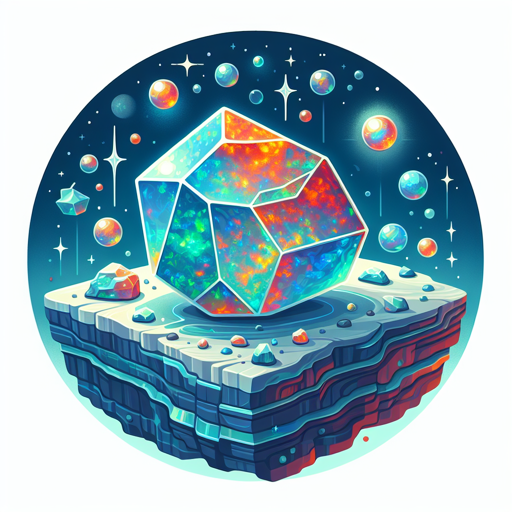
In the fascinating world of gemstones, Opal stands out with its unique play of color. This enthralling feature, also known as opalescence, gives Opal its stunning array of colors that seem to dance and change with light. But what gives Opal these incredible characteristics? Let’s delve into the captivating world of Opal and discover the secrets behind its play of color.
The Science Behind the Play of Color
Opal’s color play is not a result of pigmentation, but rather, a byproduct of its unique internal structure. Opals are composed of tiny silica spheres arranged in a regular pattern. When light enters an Opal, it bends around these silica spheres and breaks up into the colors of the spectrum. This phenomenon, known as diffraction, results in the mesmerizing play of color we see in Opals.
Types of Opal
Opals come in an array of types, each with its own unique color play. Here are some of the most popular types:
| Type of Opal | Description |
|---|---|
| White Opal | The most common type, featuring a white, cream, or light grey body color with a play of color. |
| Black Opal | Known for its dark body color, typically black or dark grey, which contrasts with the vibrant play of color. |
| Boulder Opal | Opals that form within ironstone boulders, with the ironstone often visible on the back of the stone. |
| Crystal Opal | Transparent or semi-transparent opals with a clear body color that allows for an exceptional play of color. |
Significance and Symbolism
Opal has been revered for centuries for its stunning beauty and supposed mystical properties. The ancient Greeks believed Opals were the tears of Zeus and prized them for their powers of insight and prophecy.
“To see a world in a grain of sand and heaven in a wild flower, hold infinity in the palm of your hand and eternity in an hour.” - William Blake
Much like Blake’s quote, Opal holds a rainbow in the palm of your hand, a piece of the earth’s magic captured for eternity.
As per the Gemological Institute of America, Opal is the birthstone for October and is believed to symbolize faithfulness and confidence.
Conclusion
Opal’s play of color is a testament to the incredible wonders of nature. Its unique internal structure and the resulting color play is a marvel of science, encapsulating the beauty of the natural world in a single gemstone. Whether you’re a geology enthusiast, a gemstone collector, or simply someone who appreciates natural beauty, the mesmerizing play of color in Opal is sure to captivate your heart and imagination.