 Mineral Matrix: An AI Journey into Earth’s Treasures
Minerals in Modern Medicine Unveiling Hidden Healing
Explore the vital role minerals play in modern healthcare and medical innovations.
Introduction
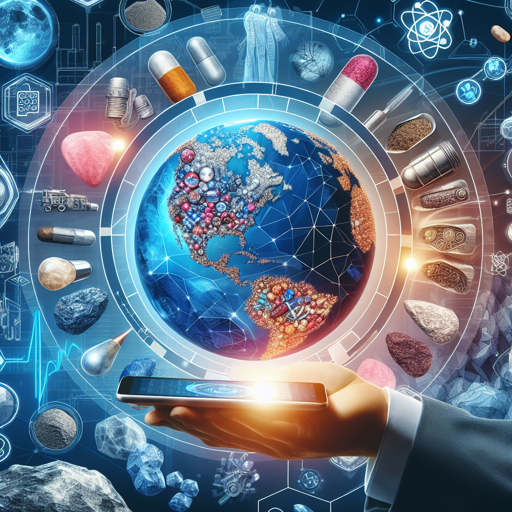
When you think of minerals, images of dazzling gemstones, glittering crystals, or the rugged landscapes of mines may come to mind. But did you know that minerals are just as crucial in the world of modern medicine as they are in geology or jewelry? From the calcium in our bones to the platinum in life-saving cancer drugs, minerals underpin many breakthroughs and everyday essentials in healthcare.
This article dives deep into the fascinating intersection between earth science and medicine. Whether you’re a geology enthusiast, an educator seeking real-world teaching examples, a student exploring career paths, or a curious reader, join us as we explore how the hidden powers of Earth’s minerals help shape human health and the future of medical science.
Minerals: The Foundations of Life and Healing
Minerals are naturally occurring, inorganic substances with a definite chemical composition and crystalline structure. They’re not just the building blocks of rocks and landscapes—they’re also essential for the proper functioning of biological systems.
Essential Minerals in the Human Body
Certain minerals are vital for human health. These essential minerals fall into two categories:
- Macrominerals: Needed in larger amounts (e.g., calcium, potassium, sodium, magnesium, phosphorus).
- Trace minerals: Needed in tiny amounts (e.g., iron, zinc, copper, selenium, iodine).
| Mineral | Biological Role | Medical Application Example |
|---|---|---|
| Calcium | Bone structure, muscle function | Bone grafts, antacids |
| Iron | Oxygen transport (hemoglobin) | Anemia treatment |
| Magnesium | Enzyme activation, nerve function | Laxatives, antacids |
| Zinc | Immune support, wound healing | Topical creams for skin conditions |
| Potassium | Fluid balance, heart function | Electrolyte solutions |
| Copper | Enzyme cofactor, red blood cell formation | Wilson’s disease management |
| Selenium | Antioxidant defense | Supplements for deficiency |
| Iodine | Thyroid hormone synthesis | Iodized salt to prevent goiter |
| Phosphorus | Bone and teeth formation | Phosphate supplements |
Without these elements—many derived from mineral deposits—our bodies would not function properly. But the relationship between minerals and medicine goes far beyond nutrition.
From Earth to Operating Room: Minerals in Medical Devices
Modern medicine relies on an array of high-tech devices and materials—many of which wouldn’t exist without minerals.
Metals and Alloys
- Titanium: Known for its strength-to-weight ratio and biocompatibility, titanium is widely used in joint replacements, dental implants, and bone plates.
- Stainless Steel: Made primarily from iron, chromium, and nickel, stainless steel is found in surgical instruments and orthopedic implants.
- Platinum & Gold: These precious metals are used in pacemakers, catheters, and even cancer treatments (e.g., cisplatin).
Ceramics and Glasses
- Alumina (Aluminum Oxide): Used in hip replacements for its hardness and wear resistance.
- Hydroxyapatite: A naturally occurring mineral form of calcium apatite; used to coat implants to encourage bone integration.
- Silica (Quartz): Forms the basis of medical-grade glassware and optical fibers for imaging.
Polymers with Mineral Fillers
Mineral additives such as barium sulfate improve X-ray visibility of catheters and other devices.
Minerals as Miracle Molecules: Pharmaceuticals from the Earth
Direct Use in Medications
Some minerals are ground up and used directly as medicines:
- Magnesium hydroxide (“milk of magnesia”) functions as an antacid and laxative.
- Bismuth subsalicylate (from bismuth ores) is the main ingredient in popular stomach remedies.
- Kaolin clay is used to treat diarrhea.
Active Ingredients
Certain elements derived from minerals are essential in pharmaceuticals:
- Lithium: Extracted from pegmatites and brines; used as a mood stabilizer for bipolar disorder.
- Iodine: From iodide minerals; critical for thyroid medication and antiseptics.
- Platinum compounds (e.g., cisplatin): Revolutionized chemotherapy for cancers such as testicular, ovarian, and lung cancer.
“The connection between geology and medicine is both ancient and ever-evolving—Earth’s elements continue to provide us with surprising cures.”
— Dr. Linda McHugh, Medical Mineralogist
Diagnostic Tools: Minerals Lighting the Way
Medical diagnostics often rely on minerals for imaging and analysis.
X-ray Contrast Agents
- Barium sulfate is ingested to outline the digestive tract during X-rays.
- Iodine-based compounds are injected as contrast agents for CT scans.
Radioactive Isotopes
Elements such as technetium (from molybdenum ores) are used in nuclear medicine for imaging organs and tracking disease progression.
MRI Machines
The powerful magnets inside MRI machines are made with rare earth elements like neodymium and samarium.
Table: Key Minerals in Modern Medicine
| Mineral/Element | Major Source | Medical Applications | Notable Products/Uses |
|---|---|---|---|
| Titanium | Ilmenite, Rutile | Implants (joints/teeth), pacemakers | Hip/knee replacements |
| Platinum | Placer deposits | Chemotherapy drugs (cisplatin), pacemakers | Cancer therapy |
| Lithium | Spodumene, Brines | Psychiatric medications | Mood stabilizers |
| Barium | Barite | X-ray contrast agent | Barium swallow |
| Iodine | Iodide-rich salts | Antiseptics, contrast agents | Betadine, imaging dyes |
| Calcium | Limestone, Gypsum | Bone grafts/implants | Plaster casts |
| Silica | Quartz | Medical glassware, optical fibers | Lab glassware |
The Mining–Medicine Connection: Sourcing Health
The medical use of minerals brings geology squarely into the spotlight. Mining companies play a critical role in supplying pure-grade minerals for pharmaceutical and biomedical industries. Strict regulations ensure that medical-grade materials are free from toxic impurities—a challenge that calls for close collaboration between geologists, chemists, engineers, and healthcare professionals.
Environmental and Ethical Considerations
Mining for medical minerals raises important questions:
- How can we mine responsibly to minimize environmental impact?
- Are mineral supply chains ethical and sustainable?
- How do we ensure fair access to critical mineral resources globally?
The answers shape not only the medical field but also global health equity.
Gemstones with Healing Lore—Fact or Fiction?
While many cultures have long attributed mystical healing properties to gemstones like amethyst or turquoise, modern medicine remains evidence-based. However, some gemstones do have recognized therapeutic uses:
- Amber: Used historically for pain relief.
- Quartz crystals: Integral to ultrasound technology (as piezoelectric sensors).
- Tourmaline: Explored for use in pressure sensors due to its electrical properties.
While the direct medical benefits of wearing gemstones remain unproven, their scientific properties do find practical application in medical devices.
Future Frontiers: Minerals Shaping Tomorrow’s Medicine
As technology advances, so does our use of minerals in medicine. Some exciting frontiers include:
- Nanomaterials: Gold nanoparticles for targeted drug delivery.
- Bioactive ceramics: Developing bone scaffolds that encourage regeneration.
- MRI advancements: Exploring new rare earth elements for more powerful imaging.
- 3D Printing: Custom implants using mineral-derived powders.
The hunt for new mineral-based therapies is ongoing—and underscores the essential role that earth science plays in innovation.
External Reference
For a comprehensive overview of minerals used in medicine and their sources, check out the U.S. Geological Survey’s “Minerals Information” portal.
Conclusion
From the iron that lets our blood transport oxygen to the platinum compounds that battle cancer cells, minerals are woven into every facet of modern medicine. They underpin our health both as nutrients and as critical components of advanced technology. As we continue to seek new cures and treatments—and as healthcare becomes ever more innovative—our reliance on Earth’s hidden treasures will only deepen.
Exploring the world of minerals isn’t just about rocks or riches—it’s about understanding the very materials that make healing possible. As geology enthusiasts, students, educators, or simply curious minds, we have an exciting role to play at this intersection of science and society—where every new discovery can transform lives.
Stay tuned for more articles exploring how Earth’s wonders shape our world!