 Mineral Matrix: An AI Journey into Earth’s Treasures
Mineral Collecting Tips for Beginners
Start your mineral collection with practical advice, safety tips, and essential tools for geology enthusiasts and students.
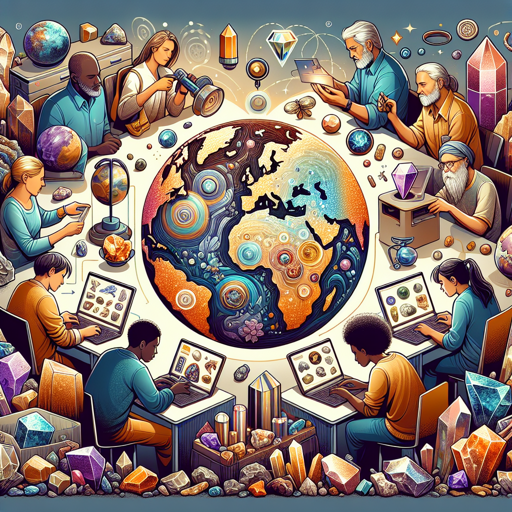
Mineral Collecting Tips for Beginners
Are you captivated by the glint of a quartz crystal or the iridescence of an opal? Do you find yourself enthralled by the stories told by rocks and minerals formed over millions of years? If so, mineral collecting might be your ideal hobby—or even the start of a lifelong passion for geology! Whether you’re a curious student, an educator seeking classroom specimens, or simply someone who marvels at Earth’s natural wonders, this comprehensive guide will help you begin your mineral collecting journey with confidence.
Mineral collecting is far more than filling a box with pretty stones. It’s a rewarding pursuit that combines adventure, scientific inquiry, and a deep appreciation for the planet’s geological history. In this article, you’ll discover essential tips, practical advice, and expert insights to start your mineral collection on the right foot.
Why Collect Minerals?
Before diving into the how-to, it’s worth exploring why so many people are drawn to mineral collecting. Some common reasons include:
- Scientific Curiosity: Minerals are Earth’s building blocks. Collecting them fosters an understanding of geology, chemistry, and natural history.
- Aesthetic Appreciation: From sparkling amethyst to metallic pyrite, minerals come in an astonishing array of colors, forms, and textures.
- Personal Discovery: Each find feels like a treasure hunt, offering the thrill of discovery and the satisfaction of building a unique collection.
- Educational Value: Collecting minerals is a hands-on way to learn about crystal systems, mineral properties, and geological processes.
As renowned mineralogist Cornelis Klein once said:
“The beauty and diversity of minerals tell the story of our planet’s dynamic past and present. To collect minerals is to collect chapters of Earth’s autobiography.”
Getting Started: Essential Gear for Mineral Collectors
One of the most exciting aspects of mineral collecting is that you don’t need expensive equipment to begin. However, having a few basic tools can make your excursions safer and more productive.
| Tool | Purpose | Beginner-Friendly? | Notes |
|---|---|---|---|
| Geology Hammer | Breaking rocks to extract specimens | Yes | Choose a rock pick or chisel-edge style |
| Hand Lens | Examining crystals up close | Yes | 10x magnification is standard |
| Field Guide | Identifying minerals in the field | Yes | Choose one specific to your region |
| Safety Goggles | Protecting eyes from flying rock chips | Yes | Essential during any hammering or chiseling |
| Gloves | Protecting hands from sharp edges | Yes | Durable leather or synthetic gloves recommended |
| Collection Bags | Carrying your finds safely | Yes | Use small bags or containers to separate specimens |
| Notebook & Pen | Recording location and observations | Yes | Useful for documenting finds and learning |
| Chisels | Extracting fragile or embedded minerals | Optional | Only needed for advanced collecting |
Pro Tip: As you gain experience, you may wish to expand your toolkit with items such as rock saws, UV lamps for fluorescent minerals, or digital scales.
Where to Collect Minerals: Finding Your First Specimens
1. Start Close to Home
Your own backyard may hold surprises! Gravel driveways, landscaping rocks, or local parks can be rich in quartz, feldspar, or even fossils. Always seek permission before collecting on private property.
2. Join Local Clubs and Societies
Rock and mineral clubs are fantastic resources for beginners. They often organize field trips to productive sites and provide mentorship from seasoned collectors. To find a club near you, check the American Federation of Mineralogical Societies or similar organizations in your country.
3. Visit Museums and Rock Shops
Museums often display local minerals and can suggest collecting sites. Rock shops usually have affordable specimens—great for starting your collection and learning identification.
4. Public Lands and Quarries
Some public lands allow recreational collecting. Always research regulations before visiting quarries, state parks, or national forests. Never collect in protected areas.
Safety First: Responsible Mineral Collecting
Collecting minerals can be safe and enjoyable with a few common-sense precautions:
- Wear proper protective gear (goggles, gloves, sturdy shoes).
- Be aware of your surroundings—watch out for loose rocks, steep slopes, and wildlife.
- Never collect alone; always tell someone where you’re going.
- Respect private property; only collect with permission.
- Minimize impact on the environment—fill in holes and leave no trace.
- Know local laws regarding collecting limits and protected species.
How to Identify Minerals: The Basics
Being able to identify your finds is part of the fun! Here are key properties to observe:
| Property | How to Observe | What It Tells You |
|---|---|---|
| Color | Look at surface color | Can be misleading—many minerals have variable color |
| Luster | Observe shine/reflectivity | Metallic, glassy (vitreous), dull, silky, etc. |
| Hardness | Scratch test (Mohs scale) | Tells how easily it scratches or is scratched |
| Streak | Rub on unglazed tile | Color of mineral powder; often diagnostic |
| Cleavage | Observe break patterns | How mineral splits along planes |
| Crystal Form | Note overall shape | Cubic, hexagonal, prismatic, etc. |
| Density | Heft or measure | Heavy vs. light for its size (specific gravity) |
A handy field guide will provide illustrations and tips for these tests.
Building and Organizing Your Collection
1. Label Everything
Good labeling prevents confusion years down the line. Each specimen should have:
- Name
- Collection location (GPS coordinates if possible)
- Date collected
- Collector’s name (if sharing or trading)
2. Store Specimens Properly
Keep fragile minerals in small boxes or padded containers. Silica gel packets help control moisture; avoid direct sunlight which can fade some minerals.
3. Display Ideas
Display cases with glass tops are ideal for showing off prized specimens. Shadow boxes or wall-mounted shelves offer creative alternatives—just be sure minerals are secure!
4. Maintain a Catalog
A notebook or digital spreadsheet helps track important details about your growing collection.
Common Beginner Mistakes (and How to Avoid Them)
| Mistake | Solution |
|---|---|
| Over-collecting | Take only what you need; leave some for others |
| Neglecting safety | Wear goggles/gloves; pay attention in the field |
| Mislabeling specimens | Label immediately with name/location/date |
| Ignoring regulations | Research rules before collecting anywhere |
| Focusing only on “pretty” minerals | Value scientific/educational specimens too |
Ethical & Sustainable Collecting
Responsible collecting ensures future generations can enjoy Earth’s treasures:
- Collect sparingly: Leave rare species undisturbed when possible.
- Respect habitats: Avoid disturbing plant/animal life.
- Share knowledge: Educate others about geology and conservation.
- Support responsible dealers: When buying minerals, choose reputable sources who prioritize ethical sourcing.
Resources for New Mineral Collectors
The internet offers a wealth of resources for beginner mineral collectors:
- Mindat.org: The world’s largest mineral database.
- Mineralogical Society of America: Guides and resources for all levels.
- Field guides such as Rocks & Minerals by Frederick H. Pough or National Audubon Society Field Guide to Rocks and Minerals.
- Local university geology departments often host events open to the public.
For more in-depth guides on mineral identification and collecting sites in your area, consult the United States Geological Survey (USGS).
Inspiring Stories: From Hobbyist to Geologist
Many professional geologists began as passionate rockhounds! For example:
“I found my first garnet crystal on a family hike when I was ten years old,” shares Dr. Susan Evans, professor of geology. “That spark of curiosity eventually led me to study geology in college—today I teach others how to read the stories hidden in rocks.”
Whether you collect for fun or as a stepping stone to a career in earth science, every discovery can inspire new questions about our planet.
Frequently Asked Questions
What are the best minerals for beginners?
Start with common but beautiful specimens such as quartz (including amethyst and citrine), calcite, pyrite (“fool’s gold”), fluorite, feldspar (like moonstone), and hematite.
Can I collect minerals anywhere?
No—always check local laws and land ownership before collecting. Many parks and protected areas prohibit removal of rocks or minerals.
How do I clean my mineral specimens?
Most minerals can be gently rinsed with water and a soft brush. Some require special care—consult guides before using acids or cleaners.
Is mineral collecting expensive?
It doesn’t have to be! Many great specimens can be found in nature; clubs often offer affordable swaps or sales.
External Reference
For further reading on responsible mineral collecting practices and laws in your area, visit the American Geosciences Institute’s Resource Guide.
Conclusion
Mineral collecting is a gateway into Earth’s hidden wonders—a hobby that blends adventure with learning and connects us to vast geological processes shaping our world. With the right tools, knowledge, and respect for nature’s treasures, you’ll soon find yourself building a unique collection that reflects both your curiosity and our planet’s incredible diversity.
So grab your field guide, lace up your boots, and start exploring! Every specimen tells a story—what will yours reveal?
Happy collecting!