 Mineral Matrix: An AI Journey into Earth’s Treasures
Mining Myths Busted Separating Fact from Fiction
Uncover the truth behind common mining and mineral misconceptions.
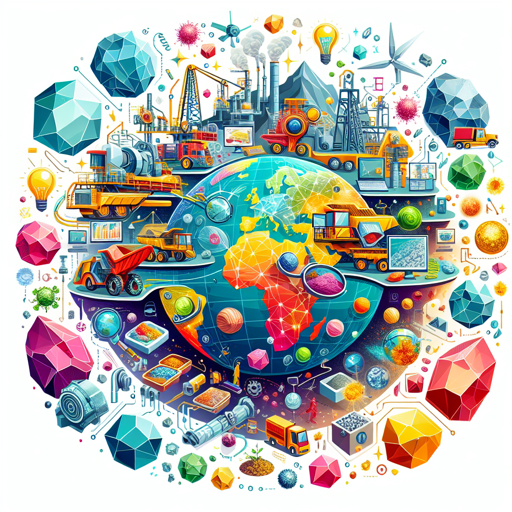
Mining Myths Busted: Separating Fact from Fiction
Introduction
The world beneath our feet is filled with secrets—glittering minerals, ancient gemstones, and the raw materials that have shaped civilization. Yet, for all its wonders, mining is often shrouded in myths and misconceptions. From popular media portrayals to well-intentioned environmental concerns, misinformation abounds. These myths not only cloud public understanding but also hinder meaningful discourse about mining’s real impact, its necessity, and the innovations reshaping the industry.
In this article, we embark on a journey to debunk some of the most enduring myths about mining and minerals. Whether you’re a geology enthusiast, an educator seeking clarity for your students, or simply curious about the true nature of mining, prepare to have your assumptions challenged and your knowledge enriched.
Myth #1: “Mining Is Always Destroying the Environment”
One of the most persistent myths is that all mining leaves irreversible scars on the Earth. While it is true that mining can have significant environmental impacts if not managed responsibly, this view ignores decades of advancements in sustainable practices and regulations.
The Reality
- Modern mining is highly regulated: Strict environmental standards are enforced in most countries to minimize land disturbance, prevent pollution, and mandate site rehabilitation.
- Technological innovations: Techniques such as remote sensing, precision blasting, and water recycling have reduced the environmental footprint of mining operations.
- Reclamation efforts: Many mines now restore land post-extraction, turning former sites into parks, wetlands, or even vineyards.
| Aspect | Old Practices | Modern Approaches |
|---|---|---|
| Waste Management | Dumping, no control | Containment, recycling |
| Land Rehabilitation | Rarely considered | Mandatory and monitored |
| Water Use | High consumption | Closed-loop/recycling |
| Emissions | Unregulated | Scrubbers, dust control |
“Mining is not inherently destructive; it’s how you mine that matters.” — Dr. Sarah Wessel, Environmental Geologist
Myth #2: “We’re Running Out of Minerals”
Stories of looming shortages and “peak minerals” often grab headlines. The notion that we are rapidly depleting Earth’s resources can be alarming—but is it accurate?
The Reality
- Resource estimates evolve: As technology improves, previously inaccessible or uneconomic deposits become viable.
- Recycling matters: Many metals—like aluminum and copper—are extensively recycled. Urban mining (recovering metals from electronic waste) is on the rise.
- Exploration continues: Every year, geologists discover new mineral deposits using advanced exploration techniques.
Fact: According to the U.S. Geological Survey, global reserves for most key minerals are stable or growing due to ongoing discoveries and recycling.
Myth #3: “Mining Is All About Coal and Gold”
Ask someone to picture a mine and many will imagine dark coal shafts or glittering gold. In truth, mining provides a vast array of minerals that underpin modern life.
The Reality
- Critical minerals: Lithium (batteries), rare earth elements (electronics), graphite (pencils & batteries), potash (fertilizers), and gypsum (drywall) are just a few examples.
- Construction materials: Sand, gravel, limestone, and clay are mined for buildings, roads, and infrastructure.
- Everyday products: From toothpaste (fluorite) to smartphones (tantalum), mining touches nearly every aspect of daily life.
| Mineral | Main Uses |
|---|---|
| Copper | Wiring, electronics, plumbing |
| Lithium | Batteries (EVs, phones) |
| Rare Earths | Magnets, wind turbines, screens |
| Potash | Fertilizers |
| Granite | Countertops, construction |
Myth #4: “Miners Work in Unsafe Conditions”
Mining has a reputation for danger—a legacy of past disasters and challenging environments. But safety standards have improved dramatically.
The Reality
- Strict safety regulations: Regular inspections, worker training, and safety equipment are standard in modern mines.
- Automation and remote operation: Increasing use of robotics and remote-controlled vehicles reduces human exposure to hazards.
- Continuous improvements: Data analytics help identify risks and prevent accidents before they happen.
Did you know? Fatalities in U.S. metal/nonmetal mines have dropped by over 90% since 1970.
Myth #5: “Mining Is Outdated—We Don’t Need It Anymore”
As society moves toward renewable energy and digital technology, some believe mining is a relic of the past. In fact, the opposite is true.
The Reality
- Green technology depends on minerals: Solar panels (silicon), wind turbines (rare earths), electric vehicles (lithium, cobalt), and batteries all require mined materials.
- Infrastructure upgrades: The shift to smart grids, 5G networks, and electrification demands copper, aluminum, and other metals.
- Circular economy: While recycling is vital, it cannot fully replace primary raw material extraction—especially as demand grows worldwide.
Myth #6: “Gemstones Are Rarely Found in Modern Mines”
Romantic tales suggest gemstone discoveries are a thing of the past—something for legendary explorers only.
The Reality
- Ongoing discoveries: New gemstone deposits are regularly found on every continent.
- Scientific methods aid discovery: Geochemical analysis and satellite imagery help pinpoint promising areas for exploration.
- Ethical sourcing: With greater transparency and traceability in supply chains, consumers can now buy responsibly mined gems.
| Gemstone | Main Producing Countries |
|---|---|
| Sapphire | Australia, Sri Lanka, Madagascar |
| Emerald | Colombia, Zambia |
| Diamond | Russia, Canada, Botswana |
| Opal | Australia |
Myth #7: “All Mining Communities Suffer Socially and Economically”
Mining towns are often depicted as blighted places facing boom-and-bust cycles. But many communities benefit greatly from responsible mining operations.
The Reality
- Job creation: Mining provides well-paying jobs in rural areas where opportunities may be scarce.
- Community investments: Many companies build infrastructure—schools, clinics, roads—that benefit local populations.
- Partnerships with Indigenous groups: Modern mining increasingly involves collaboration to ensure respect for land rights and cultural heritage.
“When managed with transparency and fairness, mining can be a powerful force for local development.” — International Council on Mining & Metals
Quick Comparison Table: Mining Myths vs. Realities
| Myth | Reality |
|---|---|
| All mining destroys the environment | Modern mining is regulated and strives for sustainability |
| We’re running out of minerals | Technology & recycling keep resources available |
| Mining is just coal and gold | Dozens of essential minerals fuel modern society |
| Mining jobs are always dangerous | Safety has improved dramatically thanks to regulations & technology |
| We don’t need mining anymore | Clean tech and digital infrastructure depend on mined materials |
| Gemstones aren’t found in modern mines | New discoveries occur regularly with modern methods |
| Mining communities always suffer | Responsible mining can boost local economies and infrastructure |
External Reference
For more detailed statistics and current research on mineral resources and responsible mining practices, visit the USGS Mineral Resources Program.
Conclusion
The intricate world of minerals and mining is far more nuanced than public myths suggest. By examining facts over fiction, we uncover an industry continuously evolving—committed to safety, sustainability, and technological innovation. Mining remains indispensable for powering our digital age and green future while offering exciting opportunities for discovery and responsible development.
Whether you’re captivated by the shimmer of gemstones or fascinated by the science of extraction, understanding the realities behind these common myths empowers us all to better appreciate Earth’s resources—and our responsibility in stewarding them wisely. Stay curious—and keep exploring!