 Mineral Matrix: An AI Journey into Earth’s Treasures
Geology Field Trips for Students Essential Guide
Inspiring geology students with hands on field trip ideas and tips
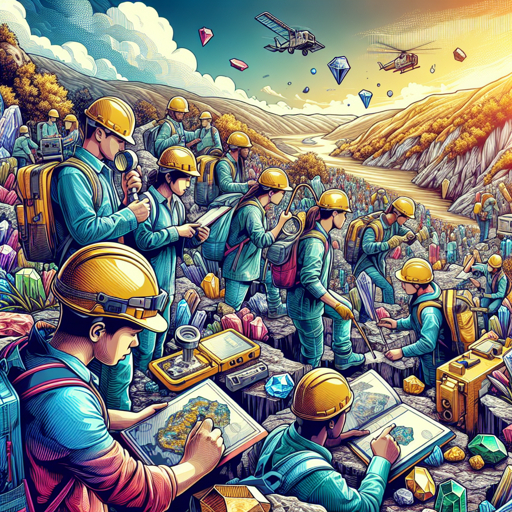
Geology Field Trips for Students: An Essential Guide
Few educational experiences can rival the excitement and discovery offered by geology field trips. For students, these excursions unlock the mysteries of Earth’s processes, minerals, rocks, and gemstones in a way that classroom learning alone cannot provide. Whether you’re an educator planning your first geology outing or a student eager to explore the world beneath your feet, this guide will equip you with creative ideas, practical tips, and essential resources to make the most out of your next geology field adventure.
Why Geology Field Trips Matter
Field trips are more than just a break from the classroom—they are immersive learning journeys. When students touch ancient rocks, map outcrops, or collect mineral samples, they gain a deeper understanding of geological concepts and processes. Active exploration stimulates curiosity, critical thinking, and a lifelong passion for earth sciences.
“In the field, students encounter geology as a living science—dynamic, tangible, and endlessly fascinating.”
— Dr. Jane Goodwin, Geoscience Educator
Let’s dive into how to craft memorable, educational geology field trips.
Planning an Effective Geology Field Trip
A successful geology field trip starts with careful planning. Here are the steps to ensure a safe and enriching experience:
1. Set Clear Learning Objectives
Define what you want students to learn. Objectives might include:
- Identifying common rocks and minerals
- Understanding rock formation processes
- Observing geological structures like faults or folds
- Learning about local mining history or gemstone deposits
2. Choose the Right Site
Select a site that aligns with your objectives and is accessible for your group. Consider locations such as:
- Local quarries
- Natural outcrops in parks or reserves
- Fossil beds or paleontological sites
- Mining museums or heritage centers
- Rivers or coastlines with visible sedimentary layers
3. Safety First
Field safety is paramount. Ensure you have:
- Permission to access the site
- Emergency contact plan and first aid kit
- Weather-appropriate clothing and sturdy footwear
- Sun protection and hydration supplies
4. Prepare Materials and Tools
Gather essential gear:
- Field notebooks and pencils
- Geological hammers (used with permission)
- Hand lenses or magnifying glasses
- Rock and mineral identification guides
- Sample bags (if collecting is permitted)
5. Engage Students Before and After
Before the trip, introduce key concepts and provide background reading. Afterward, encourage students to present findings or write reflective reports.
Inspiring Geology Field Trip Ideas
Here are some creative field trip destinations tailored for different educational levels:
Local Park Outcrop Exploration (Elementary to High School)
Objective: Introduce basic rock types and landscape formation.
Activities:
- Rock scavenger hunt
- Sketching and describing visible rocks
- Discussing weathering and erosion
Fossil-Finding Adventure (Middle School to College)
Objective: Learn about paleoenvironments and fossilization.
Activities:
- Identifying fossils in sedimentary rocks
- Interpreting ancient habitats
- Mapping fossil-rich layers
Mining Heritage Tours (High School to University)
Objective: Discover mineral resources and mining history.
Activities:
- Touring historical mines or museums
- Studying ore minerals and mining methods
- Discussing environmental impacts of mining
Gemstone Discovery Excursion (All Levels)
Objective: Explore the world of gemstones and mineralogy.
Activities:
- Panning for gemstones in streams (where permitted)
- Learning about gemstone formation
- Comparing gemstone properties
Table: Comparing Geology Field Trip Destinations
| Destination Type | Skills Developed | Sample Activities | Age Group |
|---|---|---|---|
| Local Outcrop | Observation, basic identification | Scavenger hunt, sketching, note-taking | Elementary+ |
| Fossil Bed | Stratigraphy, fossil analysis | Fossil collection, layer mapping | Middle+ |
| Mining Museum | Economic geology, history | Mineral ID, mining process exploration | High School+ |
| River/Stream | Sedimentology, practical sampling | Grain size sorting, panning | All Levels |
| Gemstone Site | Mineralogy, gem identification | Collecting gems, testing hardness | All Levels |
Tips for Maximizing Learning Outcomes
To make geology field trips truly impactful:
-
Encourage Inquiry
Pose open-ended questions:- What clues tell you how this rock formed?
- Why might certain minerals be found here?
-
Integrate Technology
Use GPS apps for mapping or digital cameras for documenting finds. -
Promote Teamwork
Assign small group projects such as mapping an outcrop or preparing a sample collection report. -
Connect to Curriculum
Relate field observations back to classroom lessons in earth science or geography. -
Emphasize Stewardship
Teach students responsible collecting and respect for protected sites.
Overcoming Common Challenges
Even the best-planned trips can encounter obstacles. Here are solutions to typical issues:
Weather Uncertainty
Prepare alternative indoor activities (e.g., visit a local museum) in case of inclement weather.
Access Restrictions
Always check landowner permissions and local regulations before visiting a site. Some locations require advance permits or prohibit sample collection.
Student Engagement
Keep activities varied—mix observation with hands-on tasks and encourage sharing discoveries among peers.
Integrating Field Trips into the Geology Curriculum
Field trips are most effective when embedded into broader learning objectives. Consider these curriculum connections:
- Earth History: Fossil sites illustrate changes over geologic time.
- Mineral Resources: Mining tours connect geology to economics and industry.
- Environmental Science: Observe human impacts on landscapes at quarries or reclamation sites.
- Physical Geography: Link river processes or mountain formation to real-world examples.
For more curriculum integration strategies, visit National Association of Geoscience Teachers - Field Experiences.
Essential Resources for Educators and Students
Equipping yourself with reliable resources makes planning easier:
- Geological Maps & Guides: Local geological survey agencies often provide free maps.
- Identification Apps: Mobile apps like Rock Identifier help students in the field.
- Online Databases: Websites such as Mindat.org offer extensive mineral information.
- Safety Guidelines: Review outdoor safety protocols from organizations such as the Geological Society of America.
Inspiring Lifelong Geologists
Geology field trips spark wonder and discovery that often lasts a lifetime. Whether it’s the thrill of finding a fossil, the satisfaction of solving a geological puzzle on-site, or the camaraderie of fieldwork adventures, these experiences can shape future geologists, educators, and earth science advocates.
If you haven’t yet experienced a geology field trip—start planning! The world’s greatest classroom awaits just beyond your doorstep.
Conclusion
Geology field trips offer unmatched opportunities for hands-on learning, critical thinking, and engagement with Earth’s dynamic processes. With thoughtful planning and creativity, educators can inspire students of all ages to explore rocks, minerals, mining history, and gemstones in their natural context. Remember: every great geologist started with a single step into the field.
For more ideas on planning unforgettable geology excursions—and to connect with fellow enthusiasts—visit the National Park Service’s Education Resources.
Happy exploring!