 Mineral Matrix: An AI Journey into Earth’s Treasures
Eco Friendly Gemstone Alternatives Guide
Discover sustainable and ethical gemstone options for conscious collectors and jewelry lovers.
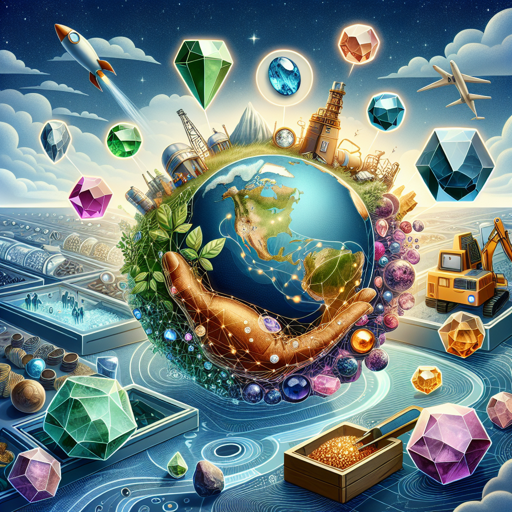
Eco Friendly Gemstone Alternatives: A Guide for Conscious Collectors
The world of gemstones has captivated humans for millennia. From the dazzling sparkle of diamonds to the velvety blue of sapphires, these natural treasures have been cherished for their beauty, rarity, and symbolism. Yet, as our appreciation for gemstones grows, so does awareness of the environmental and ethical challenges associated with their extraction. For geology enthusiasts, educators, students, and conscious consumers alike, the quest for sustainable and eco friendly gemstone alternatives has never been more relevant.
In this in-depth guide, we explore the fascinating landscape of sustainable options for gemstone lovers. Whether you’re a passionate collector, a jewelry designer, or an educator inspiring the next generation of earth science lovers, this article will provide you with knowledge, comparisons, and actionable insights to make informed choices.
The Environmental Impact of Conventional Gemstone Mining
Mining for gemstones—whether diamonds, rubies, emeralds, or semi-precious stones—can have significant environmental and social impacts. These include:
- Land Degradation: Open-pit and alluvial mining can strip topsoil, disrupt ecosystems, and leave behind scarred landscapes.
- Water Pollution: Sediment runoff and the use of toxic chemicals (like mercury or cyanide) can contaminate local water sources.
- Energy Consumption: Mining operations often depend on fossil fuels, contributing to greenhouse gas emissions.
- Biodiversity Loss: Habitat destruction can threaten local flora and fauna.
- Human Rights Concerns: In some regions, gemstone mining is linked to unsafe working conditions, child labor, and conflict funding.
“The true value of a gemstone lies not only in its beauty but in the story of its journey from earth to adornment.”
— Dr. Emily Carter, Environmental Geologist
As consciousness of these issues rises, so does the demand for gemstones that are as ethical as they are exquisite.
What Makes a Gemstone Eco Friendly?
An eco friendly gemstone is sourced or produced in a way that minimizes harm to the environment and promotes social responsibility. Key criteria include:
- Low Environmental Impact: Extraction or production methods that reduce ecological damage.
- Ethical Labor Practices: Fair wages and safe working conditions.
- Transparency: Clear supply chains that allow buyers to verify claims.
- Support for Local Communities: Initiatives that benefit rather than exploit mining regions.
Sustainable Gemstone Alternatives
There are several pathways to more sustainable gemstone choices. Let’s explore the main alternatives:
1. Lab Grown Gemstones
Lab grown or synthetic gemstones are created in controlled environments using advanced technology to replicate natural processes. They possess the same chemical and physical properties as their mined counterparts.
Advantages
- Minimal Mining Impact: No need for large-scale earth removal.
- Lower Carbon Footprint: Many labs use renewable energy sources.
- Traceability: Origin and production methods are transparent.
Popular Lab Grown Gems
- Diamonds: Indistinguishable from mined diamonds; available in various shapes and sizes.
- Sapphires & Rubies: Lab grown corundum offers vibrant colors and high clarity.
- Emeralds: Hydrothermal processes yield stunning green stones.
2. Recycled and Upcycled Gemstones
Recycling involves reusing gemstones from vintage or second-hand jewelry. Upcycling may include repurposing broken gemstones into new designs.
Advantages
- Zero New Mining Required: Reduces demand for newly extracted stones.
- Unique History: Each piece carries a story from the past.
- Cost Effective: Often more affordable than newly mined stones.
3. Ethically Sourced Natural Gemstones
Some mining operations are committed to sustainability through certifications like Fairmined or Responsible Jewellery Council.
Features
- Responsible Mining Practices: Reduced environmental footprint.
- Community Support: Profits reinvested in local infrastructure and welfare.
- Certification & Traceability: Third-party audits ensure compliance.
4. Alternative Natural Materials
Some jewelers use non-traditional materials that are abundant and sustainably harvested.
Examples
- Moss Agate & Jasper: Often collected from surface deposits with minimal disturbance.
- Fossilized Wood & Amber: Unique organic gemstones with geological significance.
- Recycled Glass & Metals: Transformed into dazzling jewels with minimal environmental cost.
Comparison Table: Eco Friendly Gemstone Alternatives
| Type | Environmental Impact | Ethical Assurance | Traceability | Unique Factors |
|---|---|---|---|---|
| Lab Grown Gemstones | Very Low | High | Excellent | Identical to natural, customizable |
| Recycled/Upcycled Gemstones | None | High | Good | Vintage appeal, historical charm |
| Ethically Sourced Natural | Moderate-Low | High (if certified) | Varies | Supports communities; natural origin |
| Alternative Natural Materials | Low | Moderate | Good | Unique textures; organic origins |
How to Identify Genuine Eco Friendly Gemstones
With “greenwashing” on the rise, it’s important to verify sustainability claims. Here’s how:
-
Look for Certifications
- Fairmined
- Responsible Jewellery Council
- SCS Global Services (for lab grown diamonds)
-
Ask About the Supply Chain
Reputable sellers should provide documentation of origin and production practices. -
Favor Transparent Brands
Choose jewelers who publicly share their sourcing policies. -
Educate Yourself
Stay informed about common industry practices and red flags.
The Role of Technology in Sustainable Gemstone Production
Advances in science are revolutionizing how we source gemstones:
-
Hydrothermal Synthesis & CVD (Chemical Vapor Deposition)
These methods allow for the creation of flawless lab grown gems with minimal waste. -
Blockchain Tracking
Blockchain technology is being used to trace gemstones from mine or lab to market, ensuring transparency. -
AI Sorting & Processing
AI-driven tools optimize cutting and reduce waste during gemstone processing.
Case Study: The Rise of Lab Grown Diamonds
The diamond industry has seen a significant shift toward laboratory-grown stones. According to a 2022 report by The World Jewellery Confederation (CIBJO), lab grown diamonds accounted for nearly 10% of all diamond sales worldwide—a figure that’s rapidly increasing due to consumer demand for ethical alternatives.
Lab grown diamonds are visually identical to mined stones and are graded by independent gemological laboratories. They offer an eco friendly choice without compromising on beauty or durability.
Frequently Asked Questions
Are lab grown gemstones real?
Yes! Lab grown gemstones have the same chemical structure as their natural counterparts. Only a gemologist with specialized equipment can distinguish between them.
Are recycled gemstones lower quality?
Not necessarily. Many recycled gems are vintage or antique stones that have stood the test of time. They may even possess unique cuts or colors no longer available.
How can I ensure my gemstone is ethically sourced?
Look for certifications, ask for documentation, and support jewelers who prioritize transparency and fair labor practices.
Inspiring Change: The Future of Gemstone Sustainability
As geology enthusiasts, educators, and collectors, our choices shape the future of Earth’s mineral legacy. By embracing eco friendly gemstone alternatives, we support innovation while honoring the natural world.
“Sustainable jewelry is more than a trend—it’s a movement toward respect for people and planet.”
— Anna Fairchild, Sustainable Jewelry Designer
We encourage everyone—from students examining mineral samples to professionals designing heirlooms—to prioritize sustainability in their passion for gemstones.
Resources & Further Reading
For those interested in learning more about sustainable gemstones:
- Gemological Institute of America (GIA): Guide to Ethical Sourcing
- Fairmined Certification
- Responsible Jewellery Council
- CIBJO - The World Jewellery Confederation
Conclusion
The journey toward sustainable gemstone appreciation is both rewarding and essential. By choosing eco friendly alternatives—whether lab grown, recycled, ethically mined, or innovatively natural—we honor both Earth’s treasures and our shared responsibility as stewards of the planet.
As you explore minerals and gems—whether in the classroom, at a mine site, or from your favorite jeweler—let curiosity guide you toward choices that reflect not just beauty, but conscience. The future of gemstones is green—and together, we can make it brilliant.