 Mineral Matrix: An AI Journey into Earth’s Treasures
Top Gemstones for Jewelry Lovers Guide
Discover gemstones that perfectly match your unique style
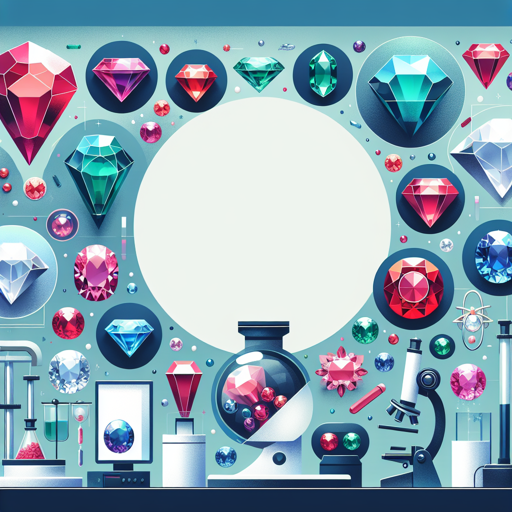
Top Gemstones for Jewelry Lovers: A Guide to Choosing the Perfect Stone for Your Style
Introduction
Gemstones have captivated humanity for thousands of years. Their vibrant colors, fascinating origins, and symbolic meanings make them sought-after treasures for collectors and jewelry lovers alike. Whether you’re drawn to the fiery brilliance of diamonds, the deep allure of sapphires, or the playful sparkle of opals, each gemstone brings a unique character to any piece of jewelry.
But with such an incredible variety available, how do you choose the gemstone that truly reflects your style? In this comprehensive guide, we’ll explore the top gemstones for jewelry lovers, examining their geological origins, historical significance, physical properties, and style compatibility. Whether you’re a seasoned geologist, an educator seeking classroom inspiration, or simply a fan of beautiful stones, this article will illuminate your path to finding your perfect gem.
Why Gemstones Matter
Gemstones are more than decorative embellishments. They are natural marvels—formed over millions of years by Earth’s dynamic processes. Their colors and characteristics are shaped by unique combinations of minerals and environmental conditions. This geological diversity not only informs their beauty but also their rarity and value.
Beyond geology, gemstones carry rich cultural and symbolic meanings. For centuries, they have been used as talismans, symbols of power, and tokens of affection. In today’s world, they blend tradition with contemporary design, offering endless possibilities for personal expression.
“The soul is placed in the body like a rough diamond, and must be polished or the lustre of it will never appear.”
— Daniel Defoe
Understanding Gemstone Qualities
Before diving into specific gemstones, it’s important to understand what makes a gemstone suitable for jewelry:
- Hardness: Measured by the Mohs scale, hardness determines a stone’s resistance to scratches. Jewelry worn daily (like rings) demands higher hardness.
- Luster: The way a gemstone reflects light—ranging from metallic to vitreous (glass-like)—impacts its visual appeal.
- Color: A gemstone’s color is often its most defining attribute, influenced by trace elements and crystal structure.
- Clarity: Refers to inclusions (internal flaws) or blemishes. Some stones, like emeralds, are prized even with visible inclusions.
- Cut: The shape and faceting enhance brilliance and reveal the gem’s best features.
- Rarity: Scarcity can dramatically impact value and desirability.
The Top Gemstones for Jewelry Lovers
Let’s explore some of the most beloved gemstones—each offering unique aesthetics and geological intrigue.
1. Diamond: The Timeless Classic
Color: Colorless to faint hues
Mohs Hardness: 10
Style Match: Classic, modern, elegant
Diamonds are renowned for their unmatched brilliance and durability. Composed entirely of carbon atoms arranged in a tight crystal lattice, they are the hardest known natural material. This makes them ideal for everyday wear—especially in engagement rings and heirloom pieces.
Why Choose Diamond?
- Timeless appeal
- Exceptional durability
- Pairs with any metal or design
2. Ruby: The Stone of Passion
Color: Vivid red
Mohs Hardness: 9
Style Match: Bold, romantic, vintage
Rubies belong to the corundum mineral family—like sapphires—but get their red hue from chromium. Prized since ancient times as symbols of vitality and love, rubies stand out in both traditional and modern jewelry.
Why Choose Ruby?
- Vibrant color
- Symbolizes passion and courage
- Exceptional hardness for daily wear
3. Sapphire: Regal Versatility
Color: Blue (most common), but also yellow, pink, green, and more
Mohs Hardness: 9
Style Match: Sophisticated, versatile, regal
While blue is the signature color, sapphires come in a stunning array of shades—except red (which is classified as ruby). Their versatility makes them popular choices for engagement rings and statement pieces alike.
Why Choose Sapphire?
- Wide color range
- Excellent durability
- Rich historical symbolism
4. Emerald: Lush Green Elegance
Color: Deep green
Mohs Hardness: 7.5–8
Style Match: Vintage-inspired, artistic, bohemian
Emeralds are a variety of beryl colored by chromium or vanadium. Their lush green hues evoke nature and renewal. While softer than diamond or sapphire, emeralds make breathtaking centerpieces in necklaces and earrings.
Why Choose Emerald?
- Iconic green color
- Symbolizes rebirth and growth
- Unique inclusions (“jardin”) add character
5. Amethyst: Affordable Luxury
Color: Purple
Mohs Hardness: 7
Style Match: Whimsical, creative, spiritual
Amethyst is a type of quartz cherished for its vibrant purple hues. Historically associated with royalty and spirituality, amethyst is both affordable and striking—perfect for those seeking distinctive yet accessible jewelry.
Why Choose Amethyst?
- Affordable yet luxurious look
- Calming energy
- Variety of cuts and settings available
6. Opal: Playful Iridescence
Color: Multicolored (play-of-color)
Mohs Hardness: 5.5–6.5
Style Match: Artistic, free-spirited, eclectic
Opals captivate with their mesmerizing play-of-color—a phenomenon caused by diffraction of light through silica spheres. Each opal is truly one-of-a-kind.
Why Choose Opal?
- Unique patterns and flashes
- Symbolizes creativity
- Best suited for pendants or earrings due to softness
7. Aquamarine: Serene Blue Beauty
Color: Pale blue to blue-green
Mohs Hardness: 7.5–8
Style Match: Minimalist, elegant, serene
Aquamarine is another beryl variety known for its calm blue shades reminiscent of tranquil waters. It’s ideal for those who prefer understated elegance.
Why Choose Aquamarine?
- Soothing color palette
- Good durability
- Perfect for spring/summer-inspired designs
8. Garnet: Rich Warmth
Color: Red (most common), but also green (tsavorite), orange (spessartine), etc.
Mohs Hardness: 6.5–7.5
Style Match: Vintage-inspired, bold, earthy
Garnets offer a spectrum of colors with deep historical roots as protective stones. They are especially popular in antique-style settings.
Why Choose Garnet?
- Wide range of colors
- Symbolizes protection and friendship
- Affordable options available
9. Tanzanite: Rare Modern Marvel
Color: Blue-violet
Mohs Hardness: 6–7
Style Match: Contemporary, sophisticated, unique
Discovered only in Tanzania in the late 1960s, tanzanite’s captivating blue-violet hues have quickly made it a favorite among collectors.
Why Choose Tanzanite?
- Remarkable color shift under different lighting
- Exclusivity due to limited sources
- Perfect for statement pieces
Gemstone Comparison Table
| Gemstone | Color(s) | Mohs Hardness | Best Jewelry Uses | Symbolism | Price Range |
|---|---|---|---|---|---|
| Diamond | Colorless | 10 | All types | Purity, eternity | \[\] |
| Ruby | Red | 9 | Rings, pendants | Passion, courage | \[\] |
| Sapphire | Blue/varied | 9 | Rings, all types | Wisdom, royalty | \[\] |
| Emerald | Green | 7.5–8 | Earrings, necklaces | Growth, renewal | \[\] |
| Amethyst | Purple | 7 | All types | Clarity, calm | $ |
| Opal | Multicolored | 5.5–6.5 | Earrings, pendants | Creativity | \(–\)$ |
| Aquamarine | Blue/blue-green | 7.5–8 | Rings, necklaces | Serenity | \(–\)$ |
| Garnet | Red/varied | 6.5–7.5 | Rings, brooches | Friendship | $–$$ |
| Tanzanite | Blue-violet | 6–7 | Pendants | Transformation | \[\] |
Key: $ = affordable; \(\) = high-end luxury
Matching Gemstones to Your Personal Style
Choosing a gemstone is as much about self-expression as it is about geology or fashion trends. Here are some tips to guide your selection:
For Classic Elegance
Opt for diamonds or sapphires in traditional cuts like round or oval set in white or yellow gold.
For Vintage Romance
Choose emeralds or garnets in antique-style settings with intricate metalwork.
For Bold Statements
Rubies or tanzanites set in platinum or modern geometric designs will stand out.
For Artistic Flair
Opals and amethysts shine in avant-garde settings or as large statement pieces.
For Minimalist Chic
Aquamarine or understated sapphires in simple bezel or solitaire settings offer subtle sophistication.
Caring for Your Gemstone Jewelry
Not all gemstones require the same care due to differences in hardness and sensitivity:
- Diamonds & Sapphires: Safe for ultrasonic cleaners; resistant to most scratches.
- Emeralds & Opals: Avoid harsh chemicals; clean gently with mild soap and soft brush; store separately.
- Amethyst & Garnet: Moderate hardness; avoid prolonged exposure to sunlight which may fade color.
- Tanzanite & Aquamarine: Clean with warm soapy water; avoid sudden temperature changes.
Proper care preserves both beauty and value over time.
The Science Behind Gemstone Colors
Gemstone colors are a product of complex geological processes:
- Trace Elements: Chromium gives rubies their red; iron gives amethyst its purple.
- Crystal Structure: The arrangement of atoms affects how light is absorbed and reflected.
- Inclusions: Tiny imperfections can enhance uniqueness—like “jardin” inclusions in emeralds.
For more scientific insight into gemstone formation and properties, explore the Gemological Institute of America’s Gem Encyclopedia.
Conclusion
The world of gemstones offers endless opportunities for discovery—for geologists studying mineral origins; for educators inspiring curiosity; for jewelry lovers expressing personality through natural wonders. Whether you gravitate toward timeless diamonds or daring tanzanite, there’s a gemstone out there that perfectly suits your style.
As you explore your options, remember that each gemstone carries a story—of Earth’s incredible history and your own evolving tastes. Let your jewelry be both an adornment and an expression of who you are.
“Jewelry takes people’s minds off your wrinkles.”
— Sonja Henie
Happy exploring—and may you always find the gem that speaks to you!