 Mineral Matrix: An AI Journey into Earth’s Treasures
The Economic Impact of Mining Worldwide
How mining drives economies, generates jobs, and shapes global industries.
Introduction
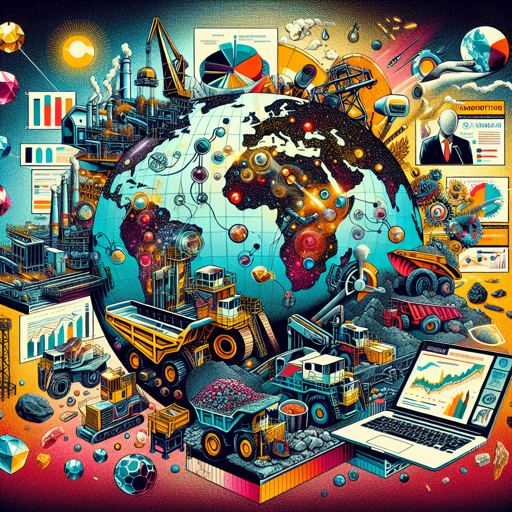
From the sparkling allure of gemstones to the essential metals powering our smartphones and electric cars, mining stands as a pillar of modern civilization. While the visible outcomes—such as gold jewelry or copper wires—are celebrated and used daily, the broader economic impact of mining often goes unnoticed. This industry, rooted deep in the Earth’s crust, fuels global economies, creates millions of jobs, and forms the backbone of countless supply chains. In this article, we delve into the remarkable ways mining shapes national and international economies, supports communities, and influences the future of technology and sustainability.
Mining: The Engine Behind Global Economies
Mining is more than just the extraction of minerals and gemstones; it is a vast industry that contributes significantly to the world’s gross domestic product (GDP) and economic growth. The sector encompasses a wide range of activities—from exploration and extraction to processing and distribution—each adding value to mineral resources.
Mining’s Share in Global GDP
Countries rich in mineral resources often rely on mining as a cornerstone of their economies. For example:
- Australia: Mining accounts for about 10% of its GDP and over half of its total exports.
- Chile: As the world’s largest copper producer, mining constitutes nearly 15% of its GDP.
- South Africa: Mining makes up approximately 8% of GDP but has a much larger impact on employment and export revenues.
Globally, the mining industry generated an estimated $1.6 trillion in revenue in 2023, according to the World Mining Data report. This figure reflects not only the direct extraction of minerals but also the extensive supply chains involved in processing, transport, and supporting industries.
Strategic Minerals and Global Trade
Certain minerals hold strategic importance for global industries:
| Mineral | Major Producers | Key Uses | Economic Importance |
|---|---|---|---|
| Copper | Chile, Peru, China | Electronics, construction, wiring | Essential for tech growth |
| Lithium | Australia, Chile | Batteries for EVs and electronics | Drives green technology |
| Iron Ore | Australia, Brazil | Steel production | Construction & infrastructure |
| Gold | China, Australia | Investment, jewelry, electronics | Financial security asset |
| Diamonds | Russia, Botswana | Jewelry, industrial cutting tools | Luxury & industrial uses |
These materials do not only generate direct revenues but also influence trade balances, international relations, and technological innovation.
Creating Jobs: Mining’s Human Impact
Direct Employment
Mining is a major employer worldwide. The International Labour Organization estimates that over 40 million people are directly employed in mining and quarrying activities. These jobs range from geologists and engineers to truck drivers and equipment operators.
Indirect Employment
The ripple effect of mining extends far beyond mine sites. For every direct mining job, it is estimated that between two and five additional jobs are created in related sectors such as equipment manufacturing, logistics, research, environmental management, and local services.
Table: Employment Multiplier Effect in Key Regions
| Country/Region | Direct Mining Jobs | Indirect Jobs Supported | Total Jobs Impacted |
|---|---|---|---|
| Australia | 250,000 | 600,000 | 850,000 |
| Canada | 200,000 | 400,000 | 600,000 |
| Sub-Saharan Africa | 2 million | 10 million | 12 million |
| Global Estimate | 40 million | 120 million | 160 million |
Community Development
Mining companies often invest in local communities by building roads, schools, healthcare centers, and water infrastructure. These contributions can transform remote regions into thriving hubs of economic activity.
“Mining is at the heart of many communities—providing not just jobs but hope for a better future.”
— Dr. Maria Santos, Economic Geologist
Mining’s Role in Technological Innovation
Mining stimulates technological advancement across multiple fields:
- Automation: Mines are adopting robotics and autonomous vehicles to improve safety and efficiency.
- Sustainable Practices: Innovations in waste management and water recycling are reducing environmental impacts.
- Geoscience Research: Advances in mineral exploration methods are leading to new discoveries.
These innovations not only make mining safer and more productive but also have spillover effects into other industries such as construction, manufacturing, and environmental science.
The Mining Industry’s Global Economic Challenges
Commodity Market Volatility
The mining sector is highly sensitive to fluctuations in commodity prices. Factors like geopolitical tension, changes in consumer demand (e.g., for electric vehicles), and technological disruptions can cause prices to swing dramatically.
Environmental Costs
While mining brings significant economic benefits, it also poses environmental challenges such as land degradation, water pollution, and greenhouse gas emissions. The industry is under increasing pressure to adopt sustainable practices and reduce its ecological footprint.
Social Responsibility
Modern mining companies face growing expectations to respect indigenous rights, support local communities, and ensure transparent supply chains—especially for minerals used in high-tech products like smartphones and electric vehicles.
Case Studies: Mining’s Economic Impact in Action
Australia: A Resource Powerhouse
Australia’s mining boom has delivered prosperity through job creation, infrastructure investment, and export revenues. The country’s vast reserves of iron ore and lithium have positioned it as a leader in supplying materials for global infrastructure development and green technologies.
Peru: Balancing Growth with Social Equity
Peru relies heavily on copper exports. Mining has supported economic growth but also triggered debates over land rights and environmental justice. The government works with mining firms to promote sustainable development while addressing community concerns.
Botswana: Diamonds for Development
Botswana transformed its economy by developing its diamond industry. Through partnerships with international companies like De Beers, Botswana has invested diamond revenues into education, healthcare, and public services—setting a model for resource-driven development.
Mining’s Future: Shaping Sustainable Global Economies
As the world transitions to cleaner energy sources and digital technologies, demand for certain minerals—such as lithium, cobalt, nickel, and rare earth elements—is surging. The mining sector must evolve to meet these needs responsibly.
Green Minerals for a Low-Carbon Future
Electric vehicles (EVs), wind turbines, and solar panels require vast amounts of critical minerals. The International Energy Agency projects that mineral demand for clean energy technologies could quadruple by 2040 (IEA Minerals Report).
Ethical Sourcing and Traceability
Consumers increasingly demand transparency regarding where and how minerals are sourced. Blockchain technology is being piloted to trace minerals from mine to market—ensuring ethical practices throughout supply chains.
Education and Workforce Development
To sustain growth and innovation in mining, ongoing investment in education is essential. Geology programs are evolving to train students not only in traditional mineralogy but also in digital technologies and sustainable resource management.
Key Comparisons: Economic Impact by Region
| Region | Major Minerals | GDP Contribution | Key Challenges |
|---|---|---|---|
| North America | Gold, Copper | 7–10% (Canada) | Environmental regulation |
| South America | Copper, Lithium | 15–20% (Peru/Chile) | Social equity & land disputes |
| Africa | Diamonds, Gold | Up to 30% (Botswana) | Infrastructure & governance |
| Asia-Pacific | Coal, Rare Earths | 5–12% (Australia) | Sustainability & innovation |
Conclusion
The economic significance of mining extends far beyond the extraction sites. From generating wealth and employment to driving technological progress and shaping global trade dynamics, mining remains an essential force in our interconnected world. As societies strive for sustainable growth and cleaner technologies, the industry faces both immense opportunities and formidable challenges. With continued innovation, responsible practices, and investment in education, mining can remain a cornerstone of economic development—benefiting not only those who work within it but all who rely on its products every day.
For further reading on the global impact of mining industries and their future trends, visit the World Bank Mining Overview.