 Mineral Matrix: An AI Journey into Earth’s Treasures
Legends and Lore of Gemstones Through History
Discover the myths and folklore that shaped our fascination with precious stones.
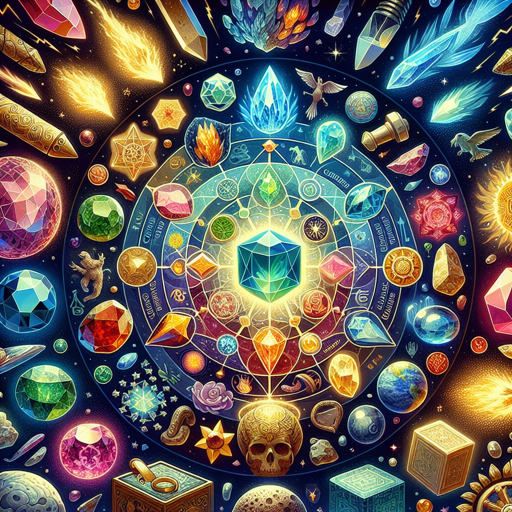
Introduction
Since the dawn of human civilization, gemstones have captivated our imagination, not just for their mesmerizing beauty but for the stories they carry. Across continents and cultures, these radiant minerals have served as talismans, symbols of power, objects of desire, and vessels of legend. From the emerald-laden temples of ancient Egypt to the sapphire-studded crowns of medieval Europe, the folklore surrounding gemstones is as colorful and varied as the stones themselves.
What is it about a simple crystal that inspires such awe—and such storytelling? This article invites you on a journey through time and myth, exploring the fascinating world of gemstones in mythology and folklore. Whether you’re a geology enthusiast, an educator, or simply entranced by earth’s hidden treasures, prepare to uncover the legends that have shaped our enduring relationship with these natural wonders.
The Ancient Roots of Gemstone Legends
Gemstones have been treasured since prehistory, often believed to hold supernatural powers or connections to the divine. As early as 4,000 BCE, ancient Sumerians adorned themselves with lapis lazuli, believing it linked them to the heavens. In India, gemstones were woven into the sacred texts—each stone associated with planetary deities and cosmic forces.
The Symbolic Power of Stones
Gemstones became symbols of status and spirituality, their rarity and brilliance interpreted as evidence of magical origin. Pharaohs were buried with turquoise amulets for protection in the afterlife; Roman soldiers carried garnets into battle for courage; Chinese emperors prized jade as the essence of virtue and immortality.
These beliefs laid the foundation for countless myths—stories that would be handed down through generations, adapting to new cultures and circumstances.
Legends of Popular Gemstones
Let’s explore some of the world’s most cherished gemstones and the legendary tales that surround them.
Diamond: Tears of the Gods
Diamonds have long stood as symbols of invincibility and eternal love. In Greek mythology, diamonds were believed to be the tears of gods or splinters from fallen stars. The ancient Romans called them “adamas” (unconquerable), believing they protected warriors in battle.
Famous Folklore:
India’s Golconda region produced fabled diamonds like the Koh-i-Noor—rumored to bring great power but also tragedy to its possessors. The curse of the Hope Diamond, now housed at the Smithsonian Institution, is said to bring misfortune to all who own it.
Emerald: The Stone of Prophecy
Emeralds enchanted ancient civilizations with their verdant hue. Egyptian Queen Cleopatra was obsessed with emeralds, associating them with fertility and rebirth. In South American legend, emeralds were considered sacred tears shed by the goddess Fura.
Famous Folklore:
Medieval lore claimed emeralds could ward off evil spells, cure diseases, and even grant foresight. The Holy Grail itself was sometimes described as a massive emerald.
Ruby: Fire of the Heart
Rubies have been revered for their fiery red color—often linked to life force and passion. Ancient Burmese warriors believed rubies made them invincible. Hindu texts describe rubies as “ratnaraj,” the king of gems.
Famous Folklore:
In medieval Europe, rubies were thought to darken in the presence of danger or poison—a mystical warning system for royalty.
Sapphire: The Stone of Wisdom
Sapphires are associated with wisdom, virtue, and divine favor. Ancient Persians believed the earth rested on a giant sapphire whose reflection colored the sky. Medieval clergy wore sapphires to symbolize purity and closeness to God.
Famous Folklore:
The fabled “Star of India” sapphire is shrouded in tales of ancient curses and blessings.
Pearl: Tears of the Moon
Unlike mineral gemstones, pearls are organic—created by living oysters. Ancient Chinese myth held that pearls fell from dragons fighting in the sky. In Hindu legend, pearls were dew drops from heaven caught by shellfish during a full moon.
Famous Folklore:
Pearls symbolize purity and innocence in many cultures. In Rome, only the elite could wear them; Cleopatra famously dissolved a pearl in vinegar to win a bet with Mark Antony.
Turquoise: The Celestial Stone
Turquoise has been revered by Native American tribes as a bringer of good fortune and rain. Ancient Persians believed turquoise protected against unnatural death; in Tibet, it symbolized the sky and water.
Famous Folklore:
Turquoise amulets were placed in horse bridles to ensure safe journeys and victory in battle.
Table: Gemstones & Their Mythological Powers
| Gemstone | Culture/Origin | Mythological Power/Legend | Symbolism |
|---|---|---|---|
| Diamond | Greece/India/Rome | Tears of gods; invincibility; brings both power & curses | Strength, eternity |
| Emerald | Egypt/South America/Medieval | Stone of prophecy; holy grail; sacred goddess tears | Fertility, rebirth, foresight |
| Ruby | Burma/India/Europe | King of gems; grants invincibility; warns of danger | Passion, protection |
| Sapphire | Persia/Europe/Clergy | Supports world; symbol of purity; links to heavens | Wisdom, virtue |
| Pearl | China/India/Rome | Dragon tears; dew drops; purity contests | Innocence, beauty |
| Turquoise | Native America/Persia/Tibet | Brings rain; wards off death; sky stone | Healing, luck |
| Jade | China/Mesoamerica | Essence of immortality; bridge to spirit world | Virtue, power |
| Amethyst | Greece/Europe | Prevents drunkenness; associated with Bacchus | Sobriety, peace |
| Garnet | Rome/Asia/Africa | Talisman for warriors; symbol of friendship | Vitality, protection |
Lesser-Known Tales from Around the World
While diamonds and rubies may steal the spotlight, many other stones have inspired their own legends:
Jade: Immortality in China
Jade is perhaps more revered in Chinese culture than any other stone. It was believed to embody both yin and yang—balancing life’s dualities—and grant immortality. Emperors were buried in jade suits to ensure safe passage into the afterlife.
Amethyst: Sobriety in Greek Myth
The name “amethyst” comes from the Greek “amethystos,” meaning “not intoxicated.” According to legend, Dionysus (Bacchus), god of wine, turned a maiden named Amethyst into pure quartz to protect her from drunken satyrs. Her crystalline form became a symbol against drunkenness.
Garnet: The Traveler’s Talisman
In ancient times, garnet was used as a protective talisman for travelers. Crusaders wore garnet-studded armor for safe passage. African folklore tells that garnet could summon light in darkness—a beacon for lost souls.
Moonstone: Lover’s Stone in Hindu Lore
Moonstone is linked to lunar deities and is considered a lover’s stone in Hindu tradition. It was believed that two people wearing moonstone during a full moon would fall deeply in love.
Across Cultures: Gemstones as Portals to Power
From healing amulets to royal regalia, gemstones have always been more than decorative objects—they’re cultural touchstones reflecting humanity’s hopes and fears.
“The deeper you look into nature’s treasures—the more you realize that every shimmer holds not just beauty but also a story.”
— Unknown
Gemstones in Rituals & Religion
- Ancient Egyptians used lapis lazuli in burial masks for spiritual protection.
- Hindu priests prescribed navaratna (nine gems) to balance cosmic energy.
- Medieval Christians embedded gemstones into church altars and relics for divine favor.
- Native Americans incorporated turquoise into ceremonial tools and dances for rainmaking.
The Dark Side: Curses and Superstitions
Not all gemstone tales are benevolent. Some are said to carry curses—especially those linked to greed or stolen from sacred sites.
- The Hope Diamond: Associated with misfortune for its owners.
- Black Orlov Diamond: Rumored to drive owners to despair.
- Delhi Purple Sapphire: Blamed for disaster until it was donated to a museum.
These stories remind us that gemstones can symbolize both blessing and bane—depending on how they are obtained or used.
Modern Echoes: Gemstones in Contemporary Culture
Despite advances in geology and mineralogy demystifying many old beliefs, gemstone lore persists. Birthstones adorn jewelry; royal families still use crown jewels as symbols of continuity; crystals are popular in spiritual healing practices worldwide.
Birthstones & Zodiac Stones
The tradition of assigning birthstones comes from ancient lists like those found in Exodus (the Breastplate of Aaron). Today’s birthstone charts are rooted in these traditions—connecting modern wearers to ancient mythologies.
Gemstones in Pop Culture
From Tolkien’s Silmarils (inspired by real-world gemstones) to Marvel’s Infinity Stones, pop culture continues to draw on gem myths—demonstrating their enduring appeal.
External Reference
For more on gemstone legends and scientific facts, visit The Smithsonian National Museum of Natural History – Gems & Minerals.
Conclusion
Gemstones are far more than dazzling minerals—they are woven into humanity’s collective mythology, reflecting our deepest desires for power, protection, love, and transcendence. Whether worn as amulets by ancient kings or treasured as birthstones today, their legends live on—reminding us that every brilliant crystal carries a story millions of years in the making.
As you admire your next gemstone—be it ruby or turquoise—take a moment to reflect on its journey through myth and time. In every facet lies not just geological wonder but centuries of human imagination. The world beneath our feet is filled with stories waiting to be discovered—and perhaps even created anew.