 Mineral Matrix: An AI Journey into Earth’s Treasures
Geology Field Trips for Beginners Essentials
Discover how to plan engaging, educational geology outings for newcomers and enthusiasts.
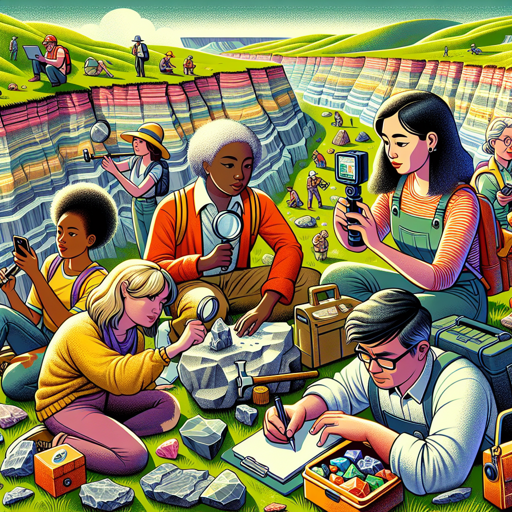
Geology Field Trips for Beginners: Essentials for an Unforgettable Experience
If you’ve ever gazed at a striking landscape and wondered about the stories hidden within its rocks, you’re not alone. Geology field trips are a gateway for enthusiasts, students, and educators to unlock the secrets of the Earth firsthand. Whether you’re a budding mineral collector, a teacher looking to inspire students, or simply curious about the ground beneath your feet, embarking on a geology field trip can be a thrilling and transformative experience.
This guide is tailored for beginners who want to plan safe, educational, and fun geology outings. From practical tips and essential gear to destination ideas and learning strategies, we’ll help you chart your course into the fascinating world of field geology.
Why Geology Field Trips Matter
Field trips are more than just an escape from the classroom or a walk in nature. They’re immersive journeys that bring textbooks to life and foster a deeper connection to Earth science.
“Geology is not just about rocks; it’s about stories—of mountains rising and oceans retreating, of ancient life and cataclysmic events.”
— Dr. Marcia Bjornerud, Geologist and Author
Experiencing geology in situ allows learners to:
- See real-world examples of geological processes.
- Practice observation and identification skills.
- Engage in hands-on discovery and inquiry.
- Foster teamwork and communication.
- Build an appreciation for environmental stewardship.
Step 1: Setting Goals for Your Field Trip
Before you pack your hand lens or hop on the bus, it’s important to define the purpose of your trip. Ask yourself:
-
What do I want to learn or teach?
(E.g., rock identification, mineral collection, fossil hunting, understanding landforms.) -
Who is my audience?
(Children, high school students, adults, families?) -
How much time do I have?
(Half-day outing, full day, or overnight?)
Setting clear objectives ensures your trip is focused and rewarding.
Step 2: Choosing the Right Location
Selecting a suitable site is crucial for a successful geology field trip. Consider these factors:
- Accessibility: Can everyone reach the site easily? Is it safe for all ages?
- Educational Value: Are there diverse rock types, minerals, fossils, or landforms?
- Permits and Regulations: Do you need permission for collecting specimens or group visits?
- Proximity: How far is it from your starting point? Are there amenities nearby?
Popular Beginner-Friendly Destinations
| Location Type | Highlights | Example Sites |
|---|---|---|
| Local Parks | Rock outcrops, streams | Central Park (NY), Griffith Park (LA) |
| Roadcuts/Quarries | Exposed strata, fossils | Fossil Park (OH), Rockhounding sites |
| Beaches/Riverbanks | Pebbles, minerals, erosion | Lake Michigan beaches, Thames River |
| Nature Reserves | Geological trails, diversity | Grand Canyon NP (AZ), Devil’s Tower (WY) |
| University Sites | Educational tours | Campus geology walks |
Always research the site’s rules regarding collecting samples and group activities.
Step 3: Preparing for the Field—Essential Gear
A well-equipped geologist is a happy geologist! Here’s a checklist to get you started:
Basic Gear Checklist
| Item | Purpose | Beginner Tip |
|---|---|---|
| Field notebook | Record observations/sketches | Use waterproof paper |
| Pencil & ruler | Notes and measurements | Pencils write even when wet |
| Rock/hand lens | Magnify minerals/fossils | 10x magnification is ideal |
| Geology hammer | Split rocks safely | Only where collecting is allowed |
| Safety goggles | Eye protection | Always wear when hammering |
| Sturdy boots | Protect feet on rough terrain | Waterproof if possible |
| Backpack | Carry gear/snacks | Lightweight but durable |
| First aid kit | Minor injuries | Always include in your pack |
| Sunscreen/hat | Sun protection | Reapply sunscreen often |
| Water & snacks | Stay hydrated and energized | Bring more than you think you’ll need |
Pro Tip: For group trips with children or beginners, bring extra supplies like sample bags, labels, and identification guides.
Step 4: Safety First!
Safety should always be your top priority. Review these guidelines before every trip:
- Check the weather forecast and dress accordingly.
- Stay on marked paths to avoid unstable ground or protected areas.
- Never go alone—use the buddy system.
- Inform someone about your trip plans and expected return time.
- Identify hazards such as loose rocks, steep slopes, poison ivy, or wildlife.
- Practice responsible collecting: Take only what you need and follow local regulations.
For more on field safety practices, the US Geological Survey offers excellent resources.
Step 5: Maximizing Learning—Observation and Inquiry
A successful geology field trip isn’t just about finding cool rocks—it’s about asking questions and making discoveries! Encourage curiosity with these strategies:
-
Make Observations:
- What colors do you see in the rocks?
- Are there layers or patterns?
- Do any rocks react with vinegar (carbonate test)?
-
Ask Questions:
- How did these rocks form?
- What forces shaped this landscape?
- Can you find signs of erosion or weathering?
-
Sketch and Document:
Drawing features in your notebook helps reinforce learning. Note locations using GPS or simple maps. -
Use Identification Guides:
Bring pocket-sized books or use apps like Rock Identifier to help name your finds. -
Group Discussion:
After exploring, gather to share discoveries. What surprised you? What further questions do you have?
Step 6: Responsible Collecting & Leave No Trace
Geology fieldwork should always respect nature and local laws. Here’s how to collect responsibly:
- Take only permitted specimens.
- Collect small samples; leave rare finds for others.
- Fill in any holes created while digging.
- Do not disturb wildlife or plants.
- Pack out all trash—and any litter you find.
By modeling good stewardship, you ensure these special places remain accessible and beautiful for future explorers.
Comparing Field Trip Experiences
Here’s a quick comparison to help you choose the right type of field trip for your group:
| Field Trip Type | Pros | Cons |
|---|---|---|
| Guided Group Tour | Expert knowledge; safety in numbers | Less flexibility; may be costly |
| DIY Family Outing | Flexible pace; personalized learning | Requires more planning; safety concerns |
| School/Club Excursion | Educational focus; social bonding | Needs permission forms; larger groups |
Top Tips from Seasoned Field Leaders
- Scout Locations First: Visit ahead of time if possible to check access points and hazards.
- Plan Rest Stops: Regular breaks prevent fatigue and keep spirits high.
- Incorporate Games: Rock bingo or scavenger hunts make learning fun.
- Prepare for Weather: Pack rain gear even if skies are clear.
- Debrief Afterwards: Reflect on what was learned and what could be improved next time.
Inspiring Your Inner Geologist: Sample Activities
To make your trip memorable—and educational—try these beginner-friendly activities:
Rock Identification Challenge
Collect three different rock samples. Use a simple flowchart to identify each as igneous, sedimentary, or metamorphic. Discuss the processes that formed them.
“Geologist’s Sketchbook”
Challenge participants to sketch a landscape feature—a cliff face, riverbank, or boulder—labeling visible layers or mineral veins.
Fossil Hunt
At sites where collecting is allowed, search for fossils in loose sediments or exposed strata. Discuss how these ancient remains tell stories of past environments.
Erosion Detectives
Look for signs of erosion: rounded pebbles in streams, gullies carved by rainwater, or landslide scars on slopes. What forces caused them?
Resources for Further Exploration
For those eager to delve deeper into geology fieldwork:
- US Geological Survey—Education Resources
- The Geological Society—Fieldwork Guides
- Mindat.org—Worldwide Mineral Localities
- Rockhounding Clubs Directory
Conclusion: Embark on Your Geology Adventure
Geology field trips are powerful learning experiences that connect us with Earth’s dynamic history. By taking thoughtful steps—setting clear goals, choosing the right location, preparing carefully, prioritizing safety, fostering inquiry, and respecting nature—you’ll ensure your outing is both fun and meaningful.
Whether you’re marveling at billion-year-old rocks or uncovering fossils from ancient seas, each adventure deepens your appreciation for our planet’s wonders.
So grab your field notebook—and start exploring!
“In every walk with nature one receives far more than he seeks.”
— John Muir
Happy rock hunting!