 Mineral Matrix: An AI Journey into Earth’s Treasures
Gemstones Through History Shaping Civilizations
Discover how gemstones influenced cultures and civilizations across time.
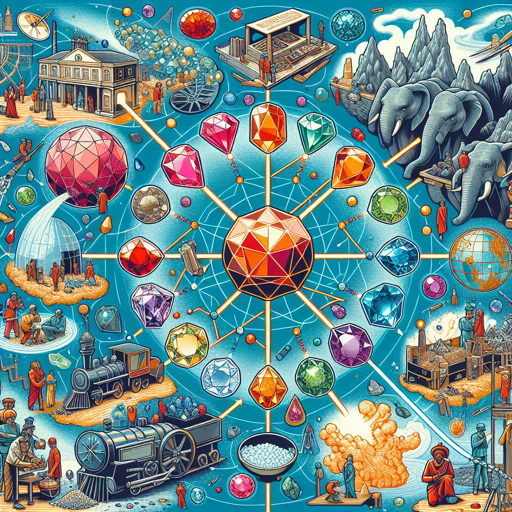
Gemstones Through History: Shaping Civilizations
Introduction
Since the dawn of humanity, gemstones have captivated our imaginations. Their beauty, rarity, and mysterious origins have woven them into the fabric of myth, power, and culture across the globe. From the burial chambers of Egyptian pharaohs glittering with lapis lazuli to the royal crowns encrusted with diamonds and rubies, gemstones have served as symbols of wealth, spiritual talismans, and emblems of status.
But their influence goes far beyond mere ornamentation. Gemstones have inspired legends, driven trade routes across continents, incited wars, and even shaped the destinies of entire civilizations. This article explores the fascinating journey of gemstones through history—how these geological marvels have left an indelible mark on human culture, industry, and imagination.
The Ancient World: Origins of Gemstone Lore
Egypt: Stones of the Gods
Ancient Egypt stands as one of the earliest civilizations to embrace gemstones for both decorative and spiritual purposes. Pharaohs were buried with elaborate jewelry crafted from turquoise, carnelian, and lapis lazuli—not just for their beauty, but as amulets for protection in the afterlife. Lapis lazuli, with its deep celestial blue, was so treasured that it was imported over vast distances from what is now Afghanistan.
“In every culture and every age, gemstones have been endowed with powers that transcend their physical properties.”
— George Frederick Kunz, The Curious Lore of Precious Stones (1913)
Mesopotamia and Persia: Symbols of Power
In Mesopotamia and ancient Persia, gemstones like agate and chalcedony were engraved with seals and worn by kings as symbols of divine right. The Persians believed that turquoise protected against unnatural death—a belief that persists in parts of the Middle East to this day.
India: The Land of Precious Stones
India’s rich deposits of diamonds and sapphires made it a global hub for gemstone trade long before the Common Era. Sanskrit texts from over 2,000 years ago describe nine sacred stones—the Navaratna—each linked to a celestial body and believed to bestow cosmic harmony upon their wearer.
| Civilization | Key Gemstones | Cultural Significance |
|---|---|---|
| Egypt | Lapis lazuli, turquoise | Spirituality, afterlife protection |
| Mesopotamia | Agate, chalcedony | Power, authority |
| India | Diamond, sapphire | Cosmic harmony, status |
| China | Jade | Purity, immortality |
Medieval and Renaissance Europe: The Age of Belief
Christian Symbolism and Royal Regalia
During the Middle Ages, European royalty adorned themselves with gemstone-studded crowns and scepters as symbols of divine blessing. The Church also embraced these precious materials; altar pieces and reliquaries gleamed with emeralds, rubies, and sapphires. Each stone was assigned spiritual attributes—emerald for hope, amethyst for piety.
Mysticism and Medicine
Belief in the magical powers of gemstones reached its zenith during this era. Manuals like the Lapidary attributed curative and protective powers to gems. For example, garnet was thought to stop bleeding and protect against the plague.
Trade and Exploration
The pursuit of precious stones drove European exploration and colonization. Portuguese traders ventured to India’s Golconda mines for diamonds; Spanish conquistadors coveted emeralds from South America’s Muzo mines.
Table: Medieval Beliefs About Gemstones
| Gemstone | Believed Power |
|---|---|
| Emerald | Hope, protection |
| Ruby | Invincibility in battle |
| Sapphire | Wisdom, purity |
| Amethyst | Sobriety, peace of mind |
| Diamond | Invulnerability |
Asia: Jade and Beyond
China: The Stone of Heaven
No civilization revered a single gemstone as deeply as China revered jade. More than a gemstone, jade was a symbol of moral virtue—purity, wisdom, courage—and an essential part of rituals for millennia. Ancient Chinese emperors were buried in suits sewn from jade plaques, believing the stone would grant immortality.
Japan: Magatama Beads
In Japan, comma-shaped magatama beads—carved from jadeite or agate—were worn as sacred ornaments by nobility during the Jomon period (14,000–300 BCE) and later became imperial treasures.
Gemstones as Global Currency
The Silk Road and Maritime Trade
Gemstones were among the most coveted goods traded along the Silk Road. Lapis lazuli traveled from Afghan mines to Mediterranean artisans. Indian diamonds found their way to Rome and beyond. These networks not only enriched economies but also fostered cross-cultural exchanges in art and technology.
The Colonial Era: Diamonds and Empire
The discovery of diamond deposits in Brazil (18th century) and later in South Africa (19th century) shifted the global balance of gemstone wealth. European colonial powers exploited these resources to fuel imperial ambitions—and to satisfy the demand for glittering symbols of power back home.
Modern Times: Science Meets Splendor
Birth of Gemology
The 19th century ushered in scientific study of minerals—gemology—transforming how we understand gemstones. No longer shrouded solely in myth, gems became subjects of rigorous investigation. Institutions like the Gemological Institute of America (GIA) now set global standards for grading and authentication.
Synthetic Gemstones
Advances in technology led to the creation of synthetic diamonds and colored stones. While purists still covet natural gems for their unique history and rarity, synthetics offer affordable beauty for all.
Gemstones in Art and Pop Culture
From Fabergé eggs to Hollywood red carpets, gemstones remain dazzling symbols of beauty and luxury. Yet they also continue to inspire awe among geologists for their formation deep within Earth’s crust—a reminder that every gem is a story millions of years in the making.
Table: Iconic Gemstones Across Eras
| Era | Iconic Gemstone | Famous Example / Use |
|---|---|---|
| Ancient Egypt | Lapis lazuli | Funeral mask of Tutankhamun |
| Roman Empire | Emerald | Cleopatra’s personal collection |
| Mughal Empire | Koh-i-Noor Diamond | Mughal Peacock Throne |
| Victorian England | Sapphire | British royal engagement rings |
| Modern Day | Diamond | Crown Jewels; engagement rings |
The Enduring Allure: Science & Spirituality Intertwined
Why do gemstones maintain such a hold on our collective imagination? It may be their extraordinary formation—requiring immense heat, pressure, and time within Earth’s depths—or perhaps their rarity and captivating play of color. But equally significant is how humanity has imbued them with meaning beyond their mineralogy.
As science continues to unveil the mysteries behind gemstone formation and properties, our fascination only deepens. Today’s collectors prize not only a gem’s sparkle but also its provenance—the tale it tells about Earth’s history or a civilization’s artistry.
External Reference
To explore more about the cultural history and science behind gemstones, visit The Smithsonian National Museum of Natural History’s Gems & Minerals Collection.
Conclusion
Gemstones are more than just geological wonders—they are vibrant storytellers linking us to ancient rituals, royal dynasties, myths, and discoveries. Their sparkle is as much about human longing for beauty and meaning as it is about Earth’s creative forces. As we continue to mine their depths—both literally and figuratively—the story of gemstones remains ever-evolving, reflecting our enduring curiosity about the world beneath our feet and the civilizations that shaped our world above.
Whether you’re a geology enthusiast studying crystal lattices or a collector captivated by stories behind each stone, remember: every gemstone is a bridge between Earth’s ancient past and humanity’s rich cultural legacy.